
Beginning Your Art Collection: 9 Things To Look For
Starting an art collection can feel intimidating. There’s a quiet pressure to “know what you’re doing,” to choose the right piece, to understand the market before you even begin. Most people assume collecting is something you do later, once you’ve arrived at a certain income level or cultural fluency.
That’s not how collections actually begin.
They begin when something stops you. When a piece holds your attention long enough that you imagine living with it. When you realize art isn’t just something to look at in galleries, but something that shapes the space you move through every day.
Beginning your collection isn’t about expertise. It’s about paying attention to things like:
Why most art collections begin long before people consider themselves “collectors”
What first-time collectors should actually look for when buying original artwork
How to think about value and longevity without treating art like a stock market
How to buy your first artwork with confidence
Common mistakes new collectors make and how to avoid them
How early purchases shape the direction of a long-term collection
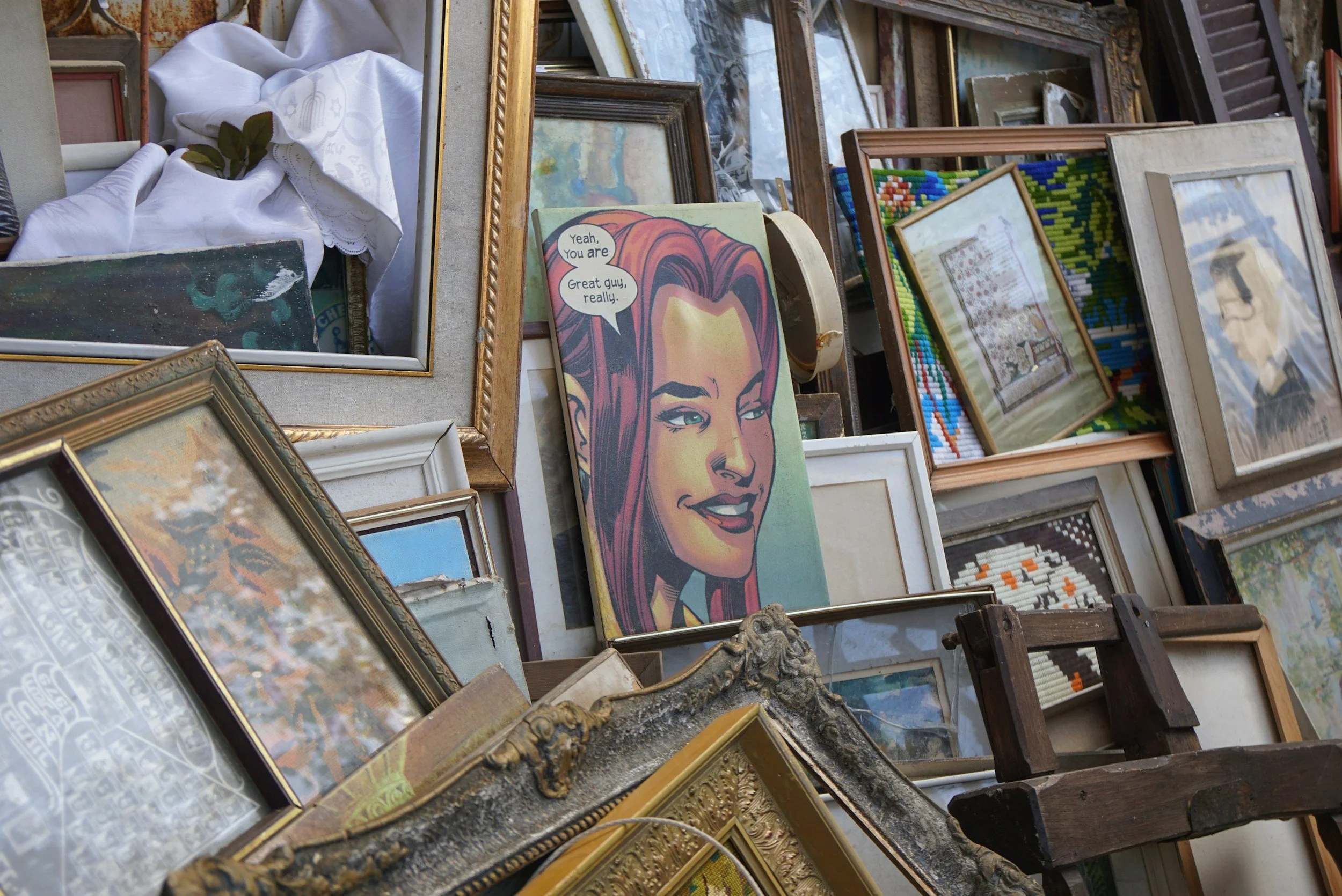
Why People Start Collecting Art 🖼️
Most collectors don’t start because they’re trying to build a portfolio. They start because something resonates.
Sometimes it’s emotional. A work mirrors a season of life you’re in, or one you’ve just come out of. Sometimes it’s physical. A piece changes how a room feels, how light moves, how you slow down when you pass by it. Other times, it’s instinctive. You don’t have language for why you want it yet, you just know you do.
Those reasons matter.
The strongest collections aren’t built on trends or formulas. They’re built on repeated moments of recognition. Over time, those moments form a visual record of who you were, what you valued, and how your perspective evolved.
When you’re beginning an art collection, permission is important. You’re allowed to start where you are. You’re allowed to buy work because it moves you. You’re allowed to learn as you go.
That’s how most serious collectors start.
Understanding Value When You’re Just Beginning
The word “investment” tends to complicate things for new collectors. It immediately brings to mind speculation, resale timelines, and the pressure to make a “smart” purchase. That framing often pushes people away from collecting altogether, or worse, into buying work they don’t actually want to live with.
That’s not how meaningful collections are built.
When I talk about value, I’m talking about trajectory and context. Value develops over time through consistency, visibility, and the relationship between the artist, the work, and the world it moves through. It isn’t something that can be predicted in isolation or reduced to price alone.
Exhibition History and Consistency
Exhibition history tells you how an artwork has existed beyond the studio. Has the work been shown publicly? Has it been placed in dialogue with other artists, spaces, and audiences? These contexts matter because they show how the work holds up when it leaves the artist’s hands.
Consistency matters just as much. An artist who continues to produce, refine, and present work over time is building a visible record of commitment. A steady practice signals seriousness, discipline, and long-term intent. These qualities don’t always generate immediate attention, but they are what sustain value over years rather than moments.
Popularity can spike quickly. Consistency is earned slowly.
Artist Trajectory
Collectors who do well over the long term learn to observe patterns rather than react to hype. They pay attention to how an artist’s work evolves from year to year. Is there a developing visual language? Are certain forms, materials, or ideas being revisited and pushed further? Does the work show growth without losing coherence?
Trajectory isn’t about sudden reinvention. It’s about forward motion. Artists who build lasting bodies of work tend to deepen their themes rather than abandon them. They show up consistently, engage with their community, and place their work in environments where it can be seen, discussed, and challenged.
That accumulation of effort creates momentum. Over time, that momentum becomes value.
Early Purchases Often Matter Most
For many collectors, the first works they buy remain among the most important pieces they own. Not because they are the most expensive, but because they mark a turning point. They represent the moment you chose to participate rather than observe from the sidelines.
Those early pieces become reference points. They influence how you respond to future work. They clarify your taste. They often carry the strongest personal connection because they were chosen without precedent, guided more by instinct than strategy.
Beginning your collection with intention doesn’t mean getting everything right. It means choosing work you can stand behind, live with, and return to over time. That foundation shapes the direction of your collection long before questions of resale or market performance ever arise.

9 Things First-Time Art Collectors Should Look For ⭐️
If you’re buying original art for the first time, it helps to know what actually matters and what doesn’t. The goal isn’t to memorize rules. It’s to understand how artworks exist, age, and accumulate meaning over time.
1. Original Work vs. Prints
Original artwork is one-of-one. It carries the physical record of decisions made in real time: revisions, adjustments, pressure, hesitation, confidence. Those traces are not aesthetic details. They are evidence of process.
Prints can be valuable and meaningful, especially within established practices, but for first-time collectors, original work often provides a stronger foundation. It creates a direct relationship between you and a singular object. That relationship tends to anchor a collection with intention rather than replication.
When possible, beginning with an original establishes clarity. It signals that the collection is about engagement, not accumulation.
2. Materials and Longevity
Materials determine how a work lives in the world. Paint, panel, paper, canvas, mixed media each behave differently over time. They respond to light, humidity, handling, and framing in specific ways.
A responsible artist can speak clearly about materials, care, and expected aging. This transparency matters. It allows you to understand the life of the object you’re bringing into your home and how to preserve it responsibly.
Longevity isn’t about fear of damage. It’s about informed stewardship.
3. Scale and Presence
Scale is one of the most underestimated aspects of collecting. A piece that feels restrained in a gallery can become commanding in a domestic space. Conversely, work that feels bold on a wall of many can feel quiet when isolated.
Before purchasing, consider where the piece will live. The wall, the light, the distance from which you’ll encounter it. Consider how often you’ll pass it, how it will sit in your peripheral vision, how it might shape the rhythm of the room.
Art isn’t passive decoration. It participates in the space it occupies.
4. Emotional Response as a Valid Metric
You don’t need to justify why a piece holds your attention. If it stays with you after you leave the room, that matters. If you find yourself thinking about it later, that matters.
Emotional response is often dismissed as subjective, but subjectivity is not the opposite of value. For many collectors, it’s the entry point into deeper understanding. Work that resonates emotionally tends to reveal more over time, not less.
Initial connection and long-term engagement are not separate considerations. They are often linked.
5. Provenance and Documentation
Original artwork should come with clear documentation. At a minimum, this includes the artist’s name, the title of the work, the year it was made, the materials, and confirmation of authenticity.
Provenance isn’t administrative clutter. It establishes authorship and situates the work within a documented history. As a collection grows, these records become essential. They protect both the artwork and the collector.
Documentation is part of responsible collecting, even at the beginning.
6. Exhibition Context
Exhibition history shows how a work has existed beyond the studio. When artwork is shown publicly, it enters conversation. It’s viewed, interpreted, and contextualized alongside other works.
For first-time collectors, exhibition context can be a meaningful signal. It suggests that the work is part of an active practice and has been tested in shared spaces, not just private ones.
This doesn’t mean unexhibited work lacks value. It means context adds another layer of understanding.
7. The Artist’s Body of Work
A single piece should feel connected to a larger practice. Take time to look at what else the artist is making. Are there recurring forms, questions, or visual structures? Does the work evolve while remaining coherent?
When an artwork is clearly part of an ongoing inquiry, it tends to age more gracefully within a collection. It doesn’t feel isolated. It feels anchored.
Collectors who understand the broader practice tend to collect with greater confidence over time.
8. How the Work Lives With You Over Time
Consider how the work might feel months or years from now. Will it continue to reveal itself? Will it hold your attention in quieter moments? Will it adapt as your life changes around it?
Some work makes an immediate impression. Other work unfolds slowly. Neither is inherently better, but work that rewards repeat viewing often becomes foundational.
Living with art is a long-term experience, not a single moment of decision.
9. Access to the Artist and Ongoing Context
One of the advantages of collecting contemporary work is proximity. Being able to ask questions, attend exhibitions, or follow an artist’s practice as it develops adds depth to ownership.
That access creates continuity. The work doesn’t remain static. It gains layers as you understand more about how and why it was made.
For many collectors, this relationship becomes one of the most enduring values of collecting.
How to Buy Your First Artwork With Confidence ❤️🔥
Confidence doesn’t come from knowing everything in advance. It comes from understanding that asking questions is part of the process, not a signal that you don’t belong. When you’re considering a piece, ask when it was made, what materials were used, where it has been shown, and how the artist understands it within their broader practice. These conversations are not transactional. They provide context, clarify intent, and help you make a decision grounded in understanding rather than uncertainty. Collecting isn’t about arriving informed. It’s about engaging thoughtfully.
Building Confidence Through Access and Documentation
Original artworks should come with clear documentation that establishes authorship and authenticity. A certificate of authenticity is not formality for formality’s sake. It anchors the work in a documented history and protects its integrity over time. Whenever possible, buying directly from artists deepens this context further. Direct access allows you to understand how the work fits into an ongoing practice and gives you proximity to future exhibitions and developments. Collecting locally strengthens this relationship even more. It allows you to watch the work move through different spaces, evolve over time, and remain part of a living artistic ecosystem. That continuity builds confidence naturally, because your understanding grows alongside the work itself.
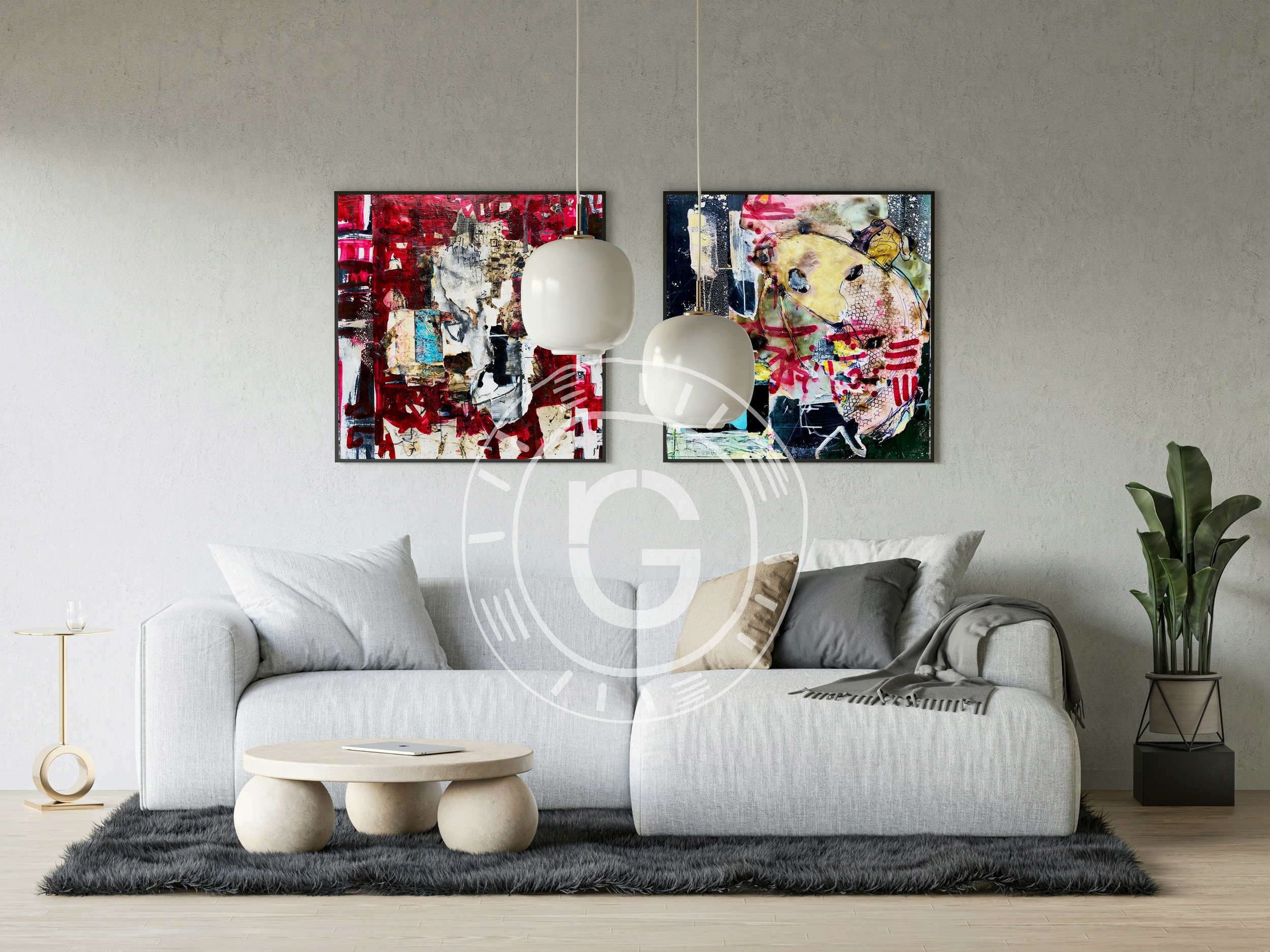
Common Mistakes New Collectors Make ❌
Every collector makes mistakes. The difference between frustration and confidence is recognizing the common ones early, before they shape how you approach collecting long-term.
Waiting Until You Feel “Ready”
Many first-time collectors assume there will be a moment when collecting finally makes sense, when enough reading, looking, or exposure will remove doubt entirely. That moment never arrives. Collecting is learned through engagement, not preparation.
Reading and research are useful, but certainty doesn’t precede experience. It follows it. The only way to develop your eye is to begin making choices and living with them. Waiting for complete confidence often results in missed opportunities and prolonged hesitation rather than better decisions.
Buying Only to Match Décor
It’s tempting to treat art as a finishing touch, something chosen to complete a room rather than to stand on its own. Work selected solely to match a color palette or furniture arrangement tends to feel temporary. As spaces change, those pieces are often the first to be replaced.
Art that challenges you, slows you down, or introduces tension tends to last. Strong collections are rarely built from perfectly coordinated choices. Let the work lead. Rooms can be repainted. Walls can shift. Art that holds meaning adapts more easily than décor ever will.
Ignoring Scale and Placement
New collectors often underestimate how much size and placement affect how a work is experienced. A piece that feels restrained in a gallery can feel dominant at home, while work that seemed commanding on a large wall can feel diminished in a smaller space.
Before purchasing, consider where the piece will live and how you will encounter it day after day. Think about sightlines, light, and proximity. Taking a moment to imagine the work in its future environment helps prevent regret and allows the piece to integrate naturally into your daily life.
Assuming Price Equals Value
Price can be informative, but it is not a reliable measure of value on its own. Higher cost does not automatically reflect stronger long-term significance, especially for collectors at the beginning of their journey.
Context matters more than cost. Exhibition history, consistency of practice, and the artist’s trajectory often tell you more about a work’s potential than price alone. Some of the most meaningful pieces in long-term collections were acquired early, at modest prices, before their importance was fully visible.
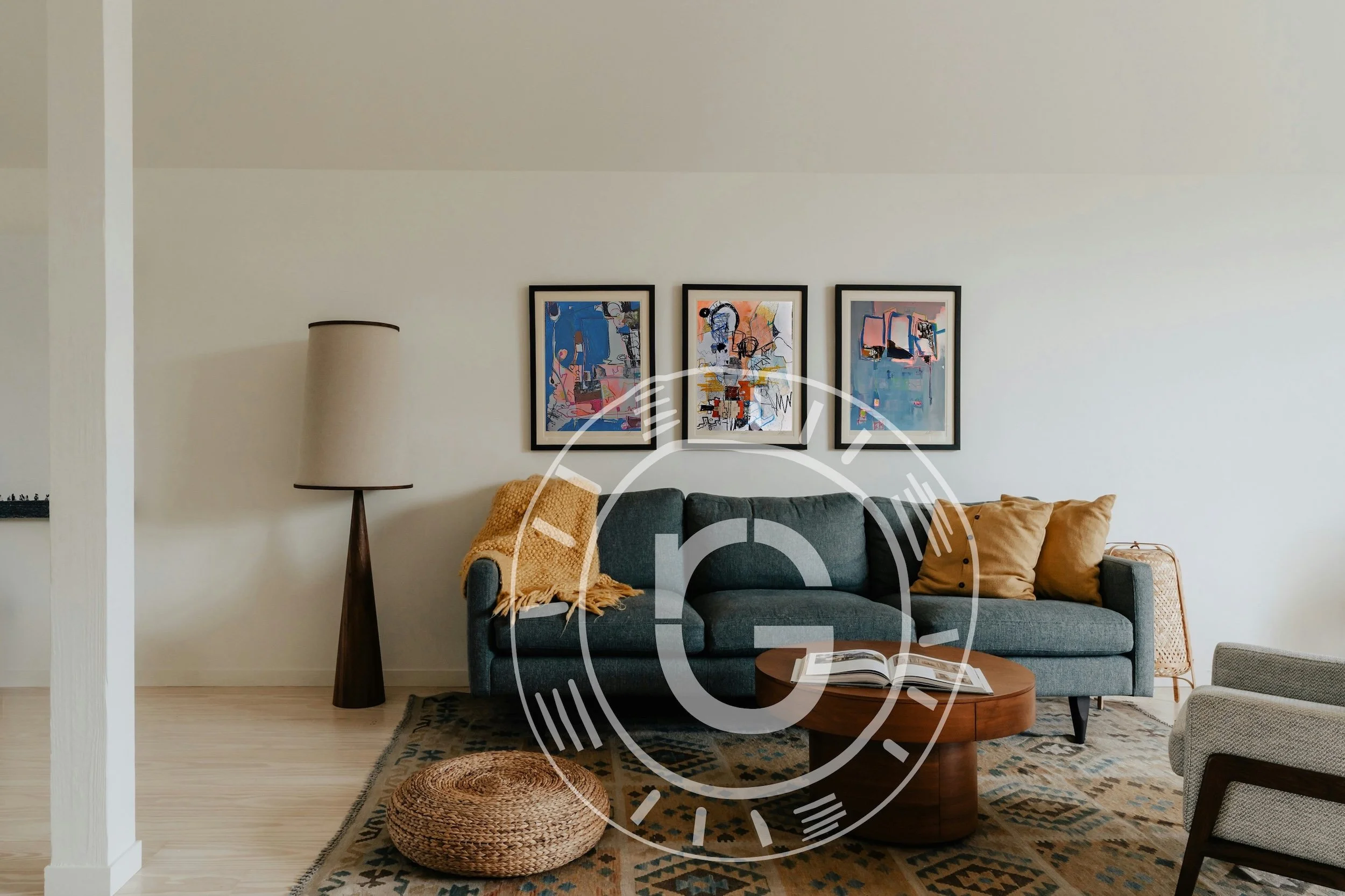
Beginning Your Collection Is a Long Game 📈
Collections are built over years, sometimes decades. They change as you change. What you’re drawn to at the beginning won’t be what you’re drawn to forever, and that’s the point.
Your first artwork doesn’t need to explain everything you’ll ever care about. It just needs to be honest to where you are now.
If you treat collecting as a relationship rather than a transaction, your collection will grow with integrity. You’ll develop your own eye. You’ll recognize patterns in what you respond to. You’ll become more confident without needing external validation.
That’s how real collections are built.
👇🏾 See my available works here. Every piece is one-of-one, and once it is collected, it is gone.
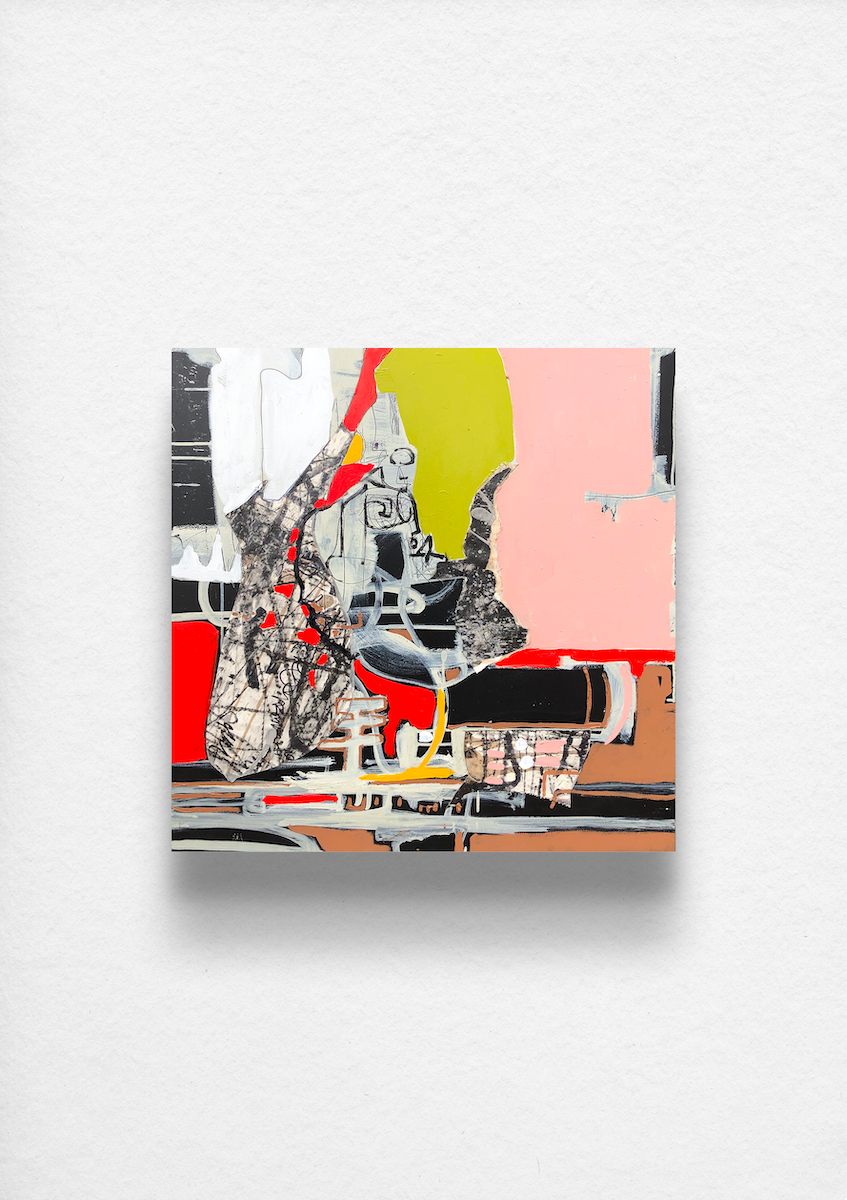
👉🏾 Or, if you are an artist looking to grow in this city, book a consultation with me. I will help you navigate the scene and build your own legacy.
Art Career Consultations
Whether you’re a student or a seasoned professional, gain personalized guidance from someone who’s navigated the art world firsthand. Learn how to refine your portfolio, secure opportunities, and advance your career with clarity and confidence.
Start Where You Are 😄
Beginning your art collection doesn’t require permission, credentials, or a long-term plan. It requires attention, curiosity, and a willingness to live with work that matters to you.
The rest unfolds naturally.
If a piece holds your attention long enough to imagine it in your life, that’s often all the clarity you need to begin.
Respect,
G

About Gregory
I'm an East Cast native transplanted in the Midwest. I'm namely known as a painter, and have exhibited locally, regionally, nationally, and internationally.
Let’s stay connected: subscribe to my newsletter for insider access and updates!

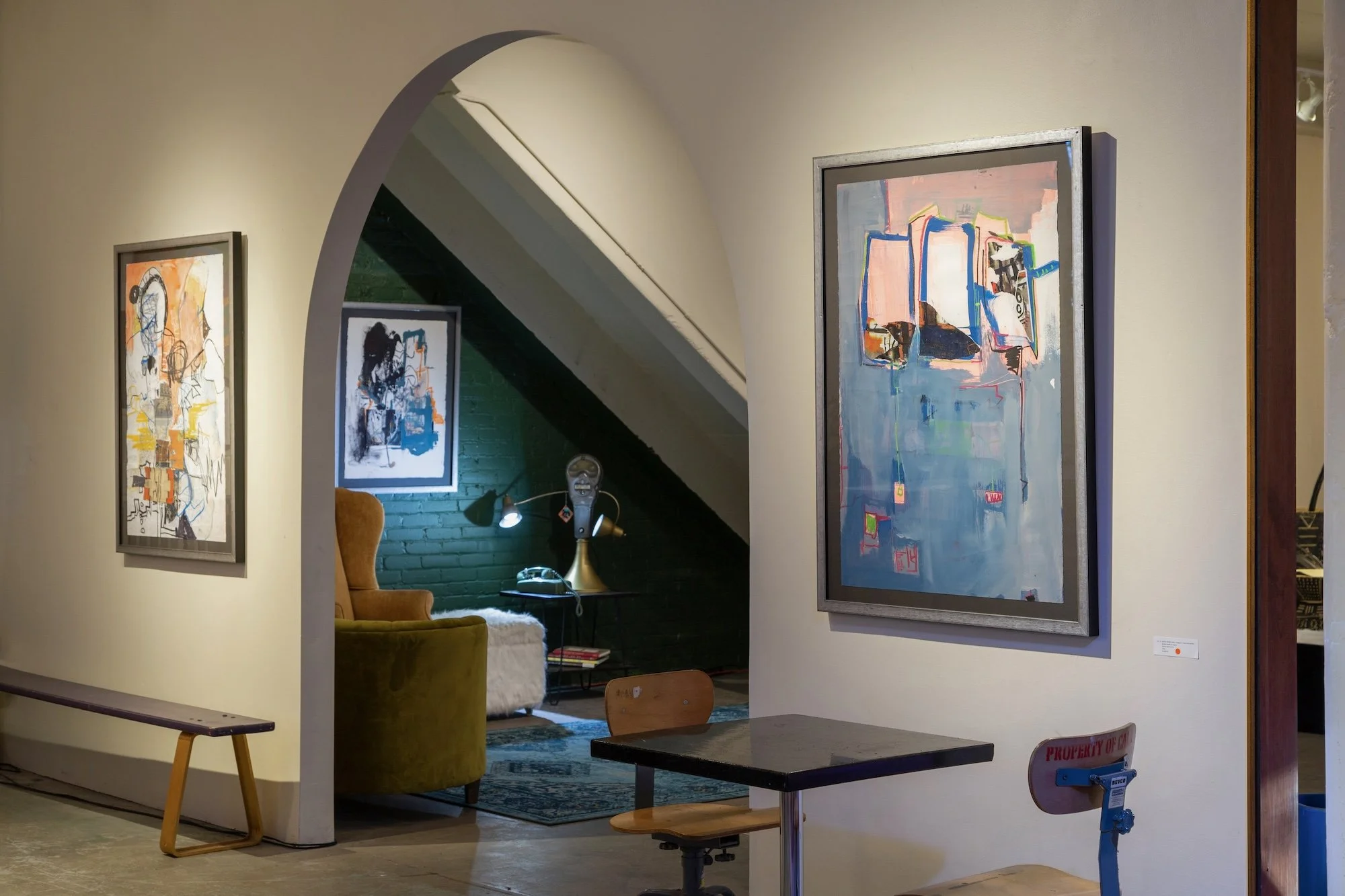

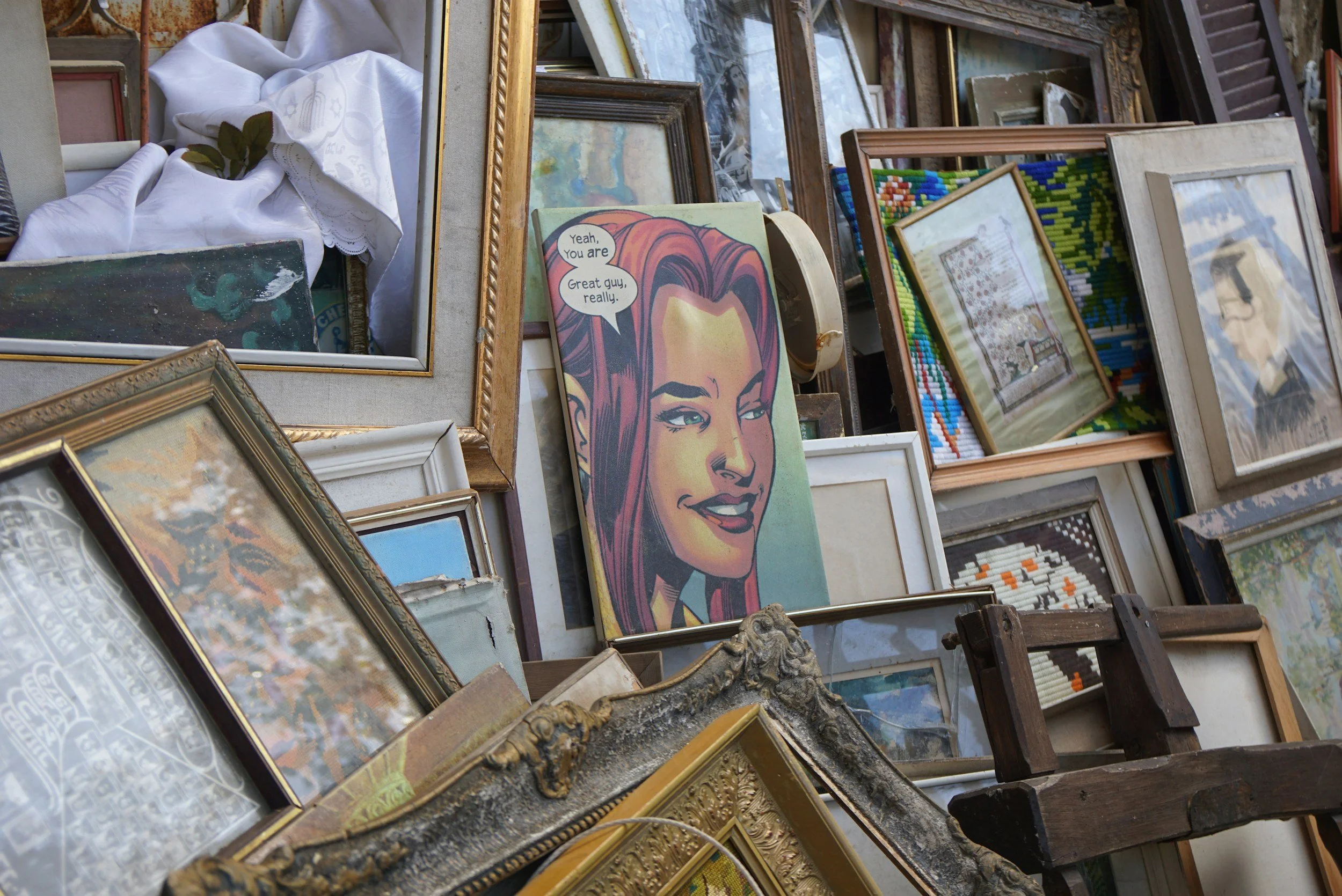


This was a process of taking what could be considered two dimensional artifacts, found and made integrated, weaved, collaged into a narrative that is or alludes to a punk rock dada visual Koan that asks you to questions your place in this world.
Where are you on your journey?