
Displaying and Protecting Your Art
How to Care for the Work Once It Lives With You
When you bring one of my pieces into your home, it becomes part of the environment you move through every day, absorbing the light in the room, adjusting to the air, and settling into the rhythm of your space. These works are layered and physical, built through pressure, repetition, and time, and the way they are displayed and maintained directly affects how they hold up over the years.
Collecting original artwork carries responsibility. Protection is not complicated, but it does require intention. If you plan to live with the work long-term, understanding these elements will help you care for it properly:
How light affects original paintings and mixed media
Why stable climate conditions protect structural integrity
What professional framing truly safeguards
How to clean and handle artwork without causing damage
Why documentation and insurance matter for collectors
How intentional placement strengthens presence and value
Collecting is the beginning. Stewardship is what sustains it.
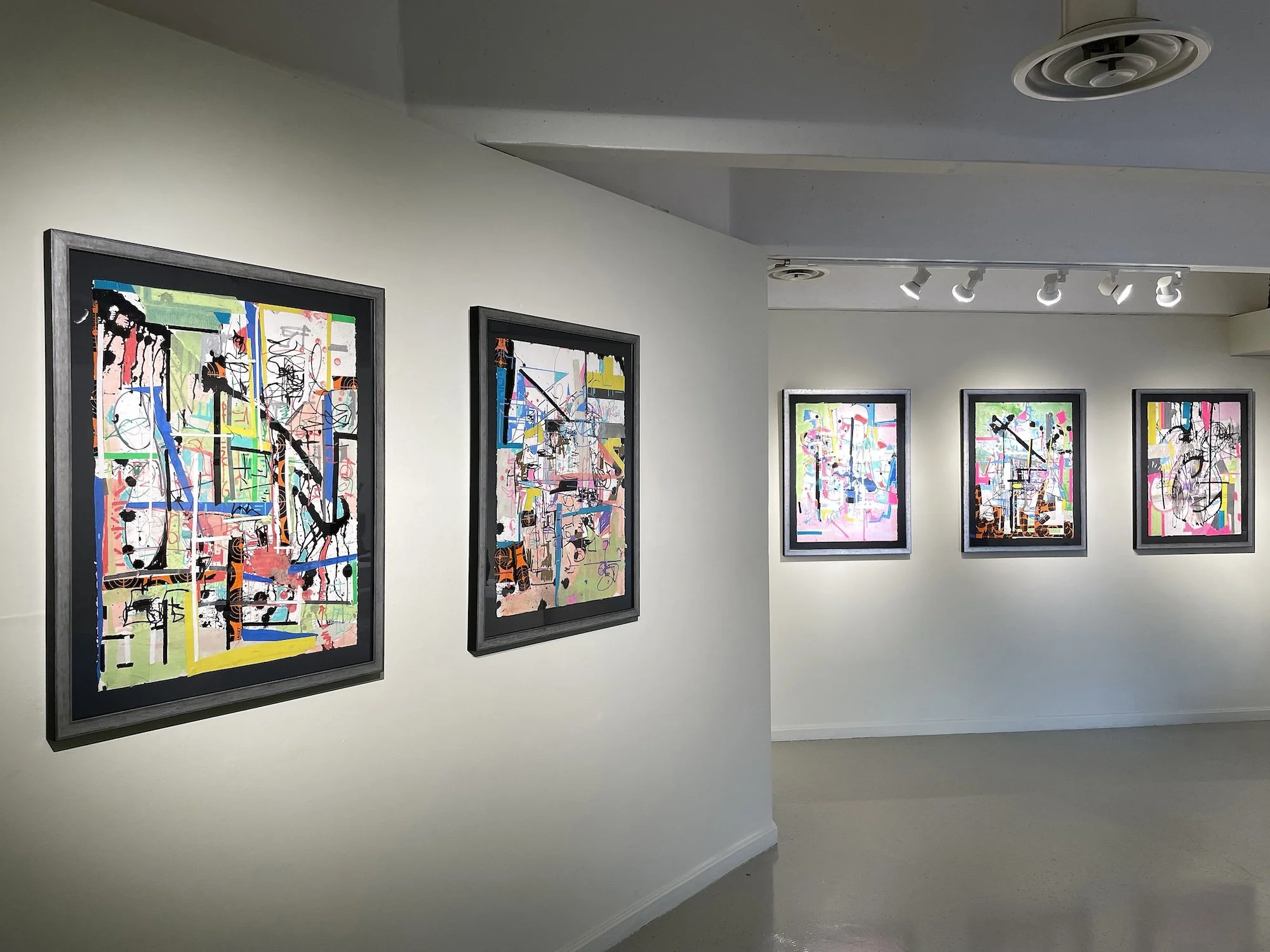
8 Steps To Protecting Your Art
Once a piece enters your collection, protection becomes part of ownership. Original artwork is not static. It responds to light, air, temperature, and handling. The way it is installed, framed, and maintained will shape how it holds up over time. Before you settle it permanently into your space, there are several practical considerations that will preserve its structure, surface, and long-term value. The following eight areas outline what every serious collector should keep in mind.
1. Control Light Exposure
Light is necessary for viewing the work clearly, but too much of it, especially direct sunlight, slowly degrades pigment and weakens surface materials. The fading does not happen immediately, which is why it often goes unnoticed until years later when the color has lost its depth and the surface appears fatigued.
Whenever possible, hang artwork on walls that receive indirect light rather than strong, sustained sun exposure. In rooms with heavy afternoon light, especially in south- or west-facing spaces, consider adjusting placement to reduce direct impact. For works on paper, use UV-filtering glass or acrylic rather than standard framing materials, which do little to block ultraviolet radiation. If you use artificial lighting, LED bulbs are the safest option because they emit minimal UV and produce less heat. The goal is to illuminate the work without stressing it.
2. Maintain Stable Temperature and Humidity
Canvas, paper, and wood are responsive materials, meaning they expand and contract as temperature and humidity fluctuate. Over time, repeated expansion and contraction can create structural stress that shows up as minor warping, small cracks, or loosening along the stretcher bars.
Keeping your environment stable is one of the most effective ways to prevent this. A moderate indoor temperature and balanced humidity level will protect the internal structure of the piece. Avoid hanging artwork above fireplaces or in rooms like bathrooms and kitchens where moisture and heat shift rapidly. In Minneapolis, seasonal changes are significant, and winter dryness followed by summer humidity can strain materials if left unmanaged. Monitoring indoor air during seasonal transitions helps prevent long-term stress to the surface and structure.
3. Frame and Mount With Intention
Framing is not simply aesthetic; it is a protective measure that directly influences the lifespan of the work. For works on paper, archival materials are essential. Acid-free mats and backing boards prevent gradual staining that develops when non-archival materials break down over time. The artwork should not sit directly against the glass, as condensation and pressure can damage the surface.
For canvas and panel pieces, ensure that stretcher bars are secure and square. If the edges are exposed, a float frame can offer additional protection from accidental impact, particularly at the corners, which are often the first areas to show wear. Proper framing stabilizes the piece and reinforces its place within a serious collection.
4. Install Securely
A piece should feel settled and supported once it is installed. Use hardware rated for the weight of the artwork, and whenever possible, anchor larger pieces into wall studs rather than drywall alone. Even a single fall can cause corner damage or structural stress that affects the long-term condition of the work.
It is also important to consider how people move through the space. High-traffic areas, narrow hallways, or tight entryways increase the risk of accidental contact. Thoughtful placement reduces vulnerability and allows the work to exist without constant risk of impact.
5. Clean Carefully
Artwork requires minimal cleaning, and restraint is often the best approach. Dust the frame with a soft cloth, and if necessary, lightly brush the canvas surface with a dry, soft brush to remove surface dust. Avoid water, sprays, or household cleaners, as moisture and chemicals can compromise the paint layer and permanently alter the surface.
If you notice cracking, flaking, or discoloration, consult a professional conservator rather than attempting repairs yourself. Improper restoration can create more damage than the original issue and may affect both the appearance and long-term value of the piece.
6. Store Artwork Properly
If you rotate pieces seasonally or store work between exhibitions, storage should mirror gallery standards. Store artwork upright rather than stacked flat, and separate pieces with archival materials to prevent surface abrasion. Keep stored works in climate-controlled environments, avoiding garages and attics where temperature swings are extreme.
Even when not on display, the work remains part of your collection’s future. Proper storage protects it from unnecessary wear and environmental stress.
7. Insure What You Collect
As your collection grows, its financial exposure grows with it. Many homeowner policies limit coverage for fine art, which leaves significant gaps if theft, fire, or accidental damage occurs. Dedicated art insurance ensures that the value of the work is protected.
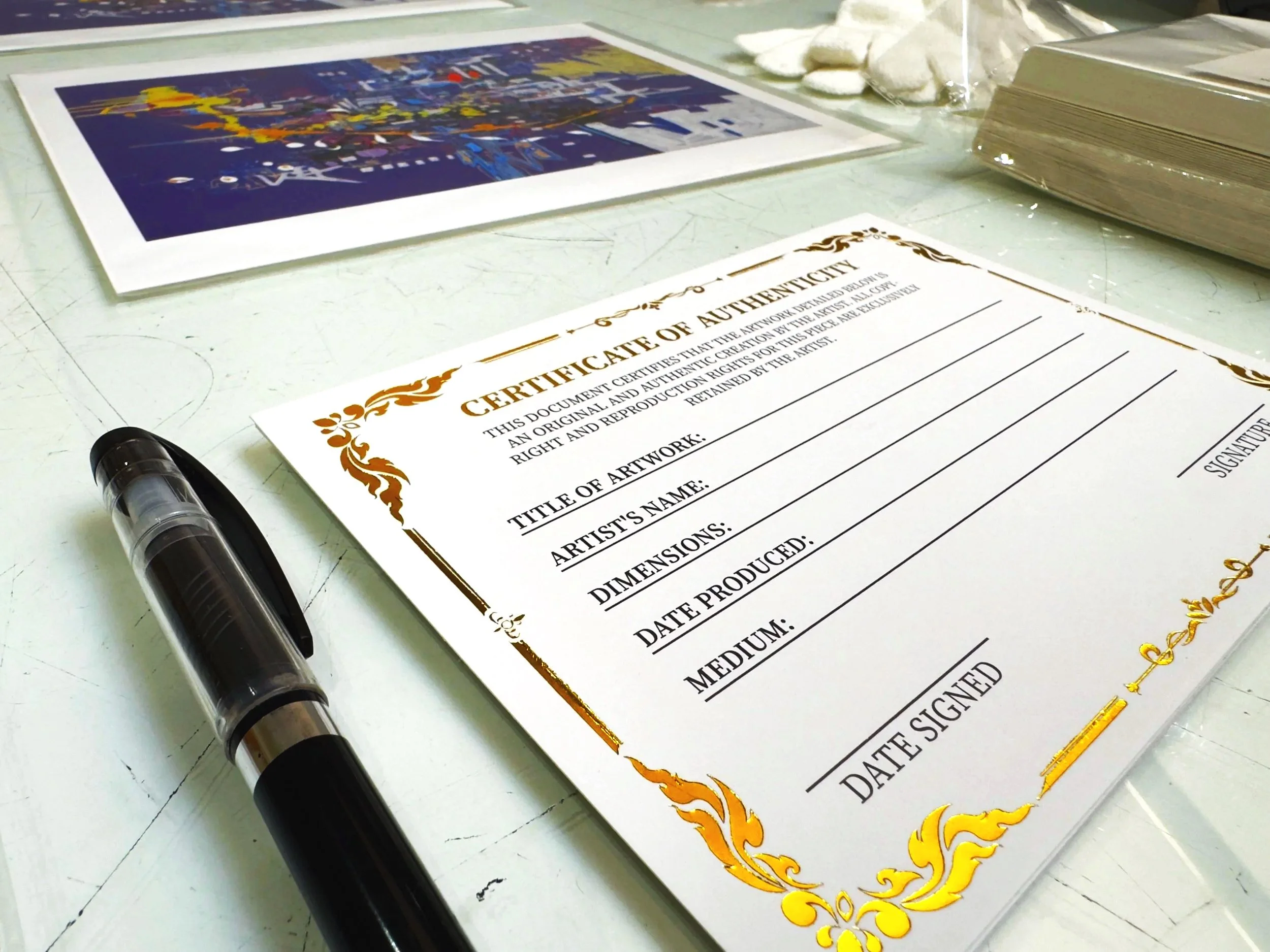
Maintain organized records, including certificates of authenticity, receipts, and exhibition history. Clear documentation strengthens provenance and supports future resale, estate planning, or appraisal updates. Protecting the work financially is part of responsible collecting.
8. Display With Intention
Placement shapes the way a piece is experienced within a space. Hanging artwork at a natural viewing height allows the surface to be engaged properly, while thoughtful spacing gives the work room to breathe. Lighting should highlight texture and depth without creating glare or harsh reflection.
Scale also matters. A larger piece should command its wall, while smaller works benefit from careful grouping. Installation is part of presentation, and presentation influences how the work is perceived.
Stewardship Is Part of the Investment
When you collect original artwork, you accept stewardship of something that carries time, labor, and meaning. The care you give it determines how it ages and how it continues to hold its presence in your space.
Managing light exposure, maintaining stable environmental conditions, framing properly, installing securely, and documenting what you own are all part of protecting the work. Serious collectors understand that preservation supports both aesthetic integrity and long-term value.
Care for the work thoughtfully, and it will continue to hold its strength for years to come.
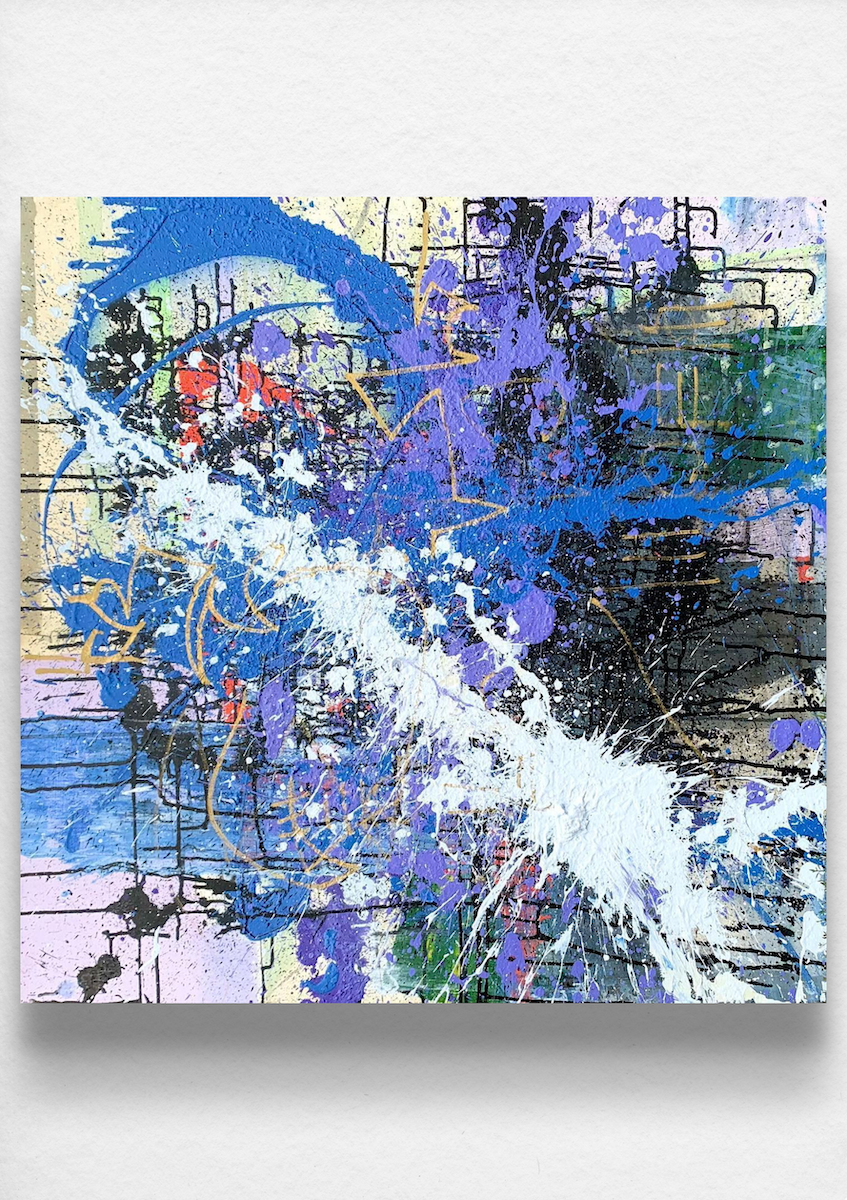
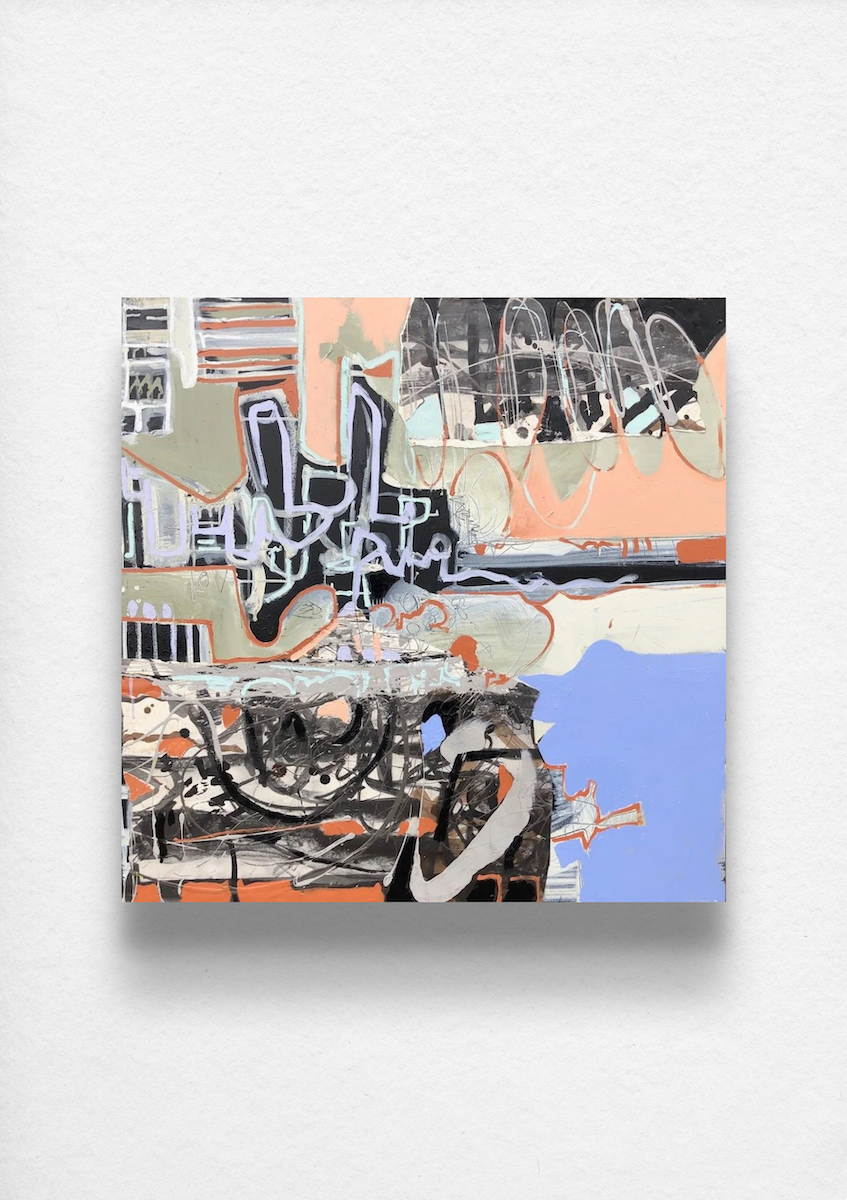
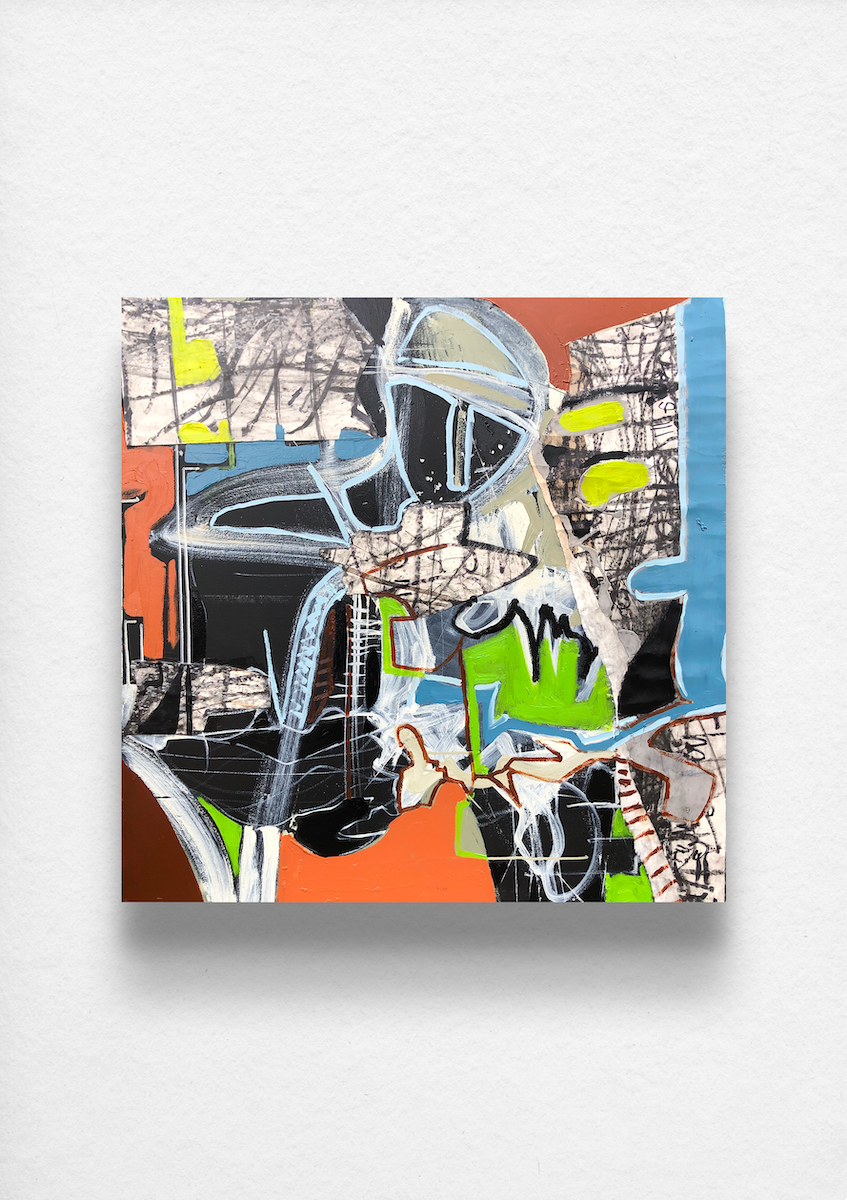
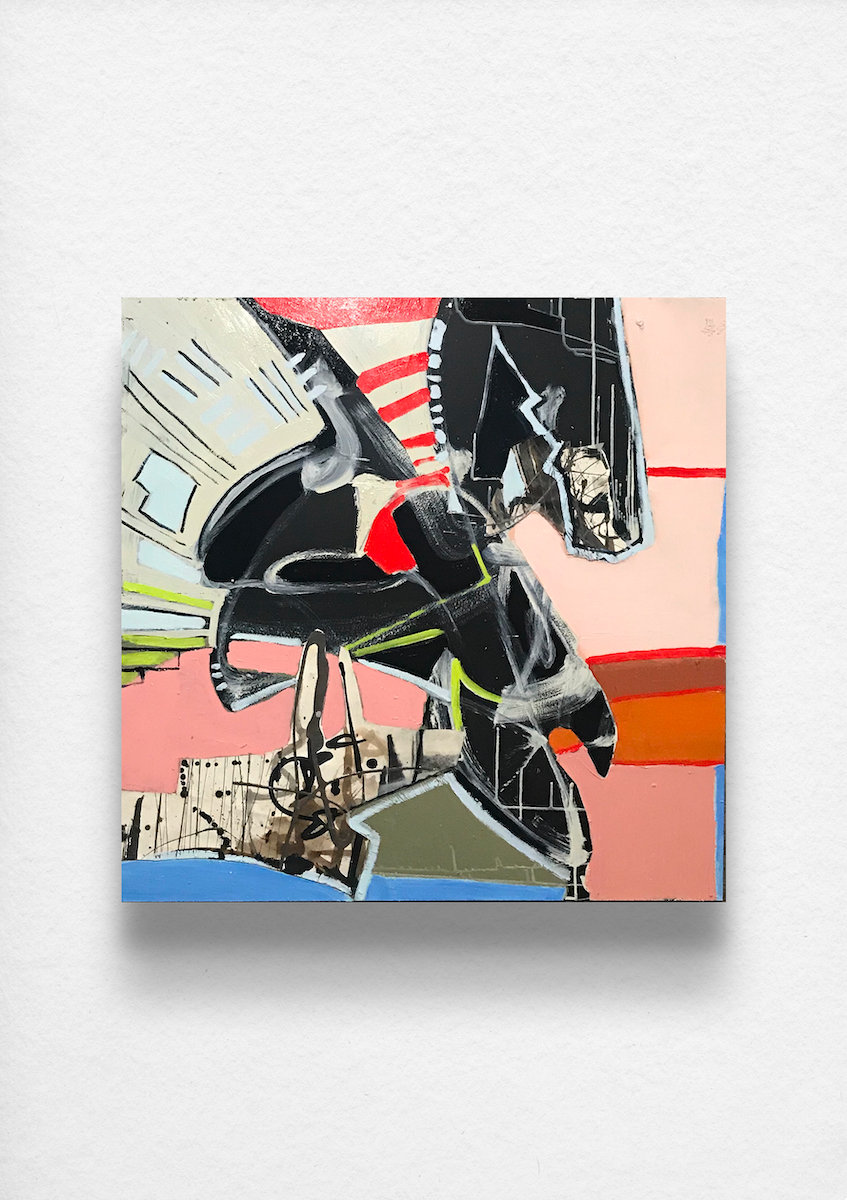
👇🏾 Take a minute to browse through my original artworks to see how they might fit into your growing collection. Every piece is one-of-one, and once it is collected, it is gone.
👉🏾 Or, if you are an artist looking to grow in this city, book a consultation with me. I will help you navigate the scene and build your own legacy.
Whether you’re a student or a seasoned professional, gain personalized guidance from someone who’s navigated the art world firsthand. Learn how to refine your portfolio, secure opportunities, and advance your career with clarity and confidence.
Respect,
G

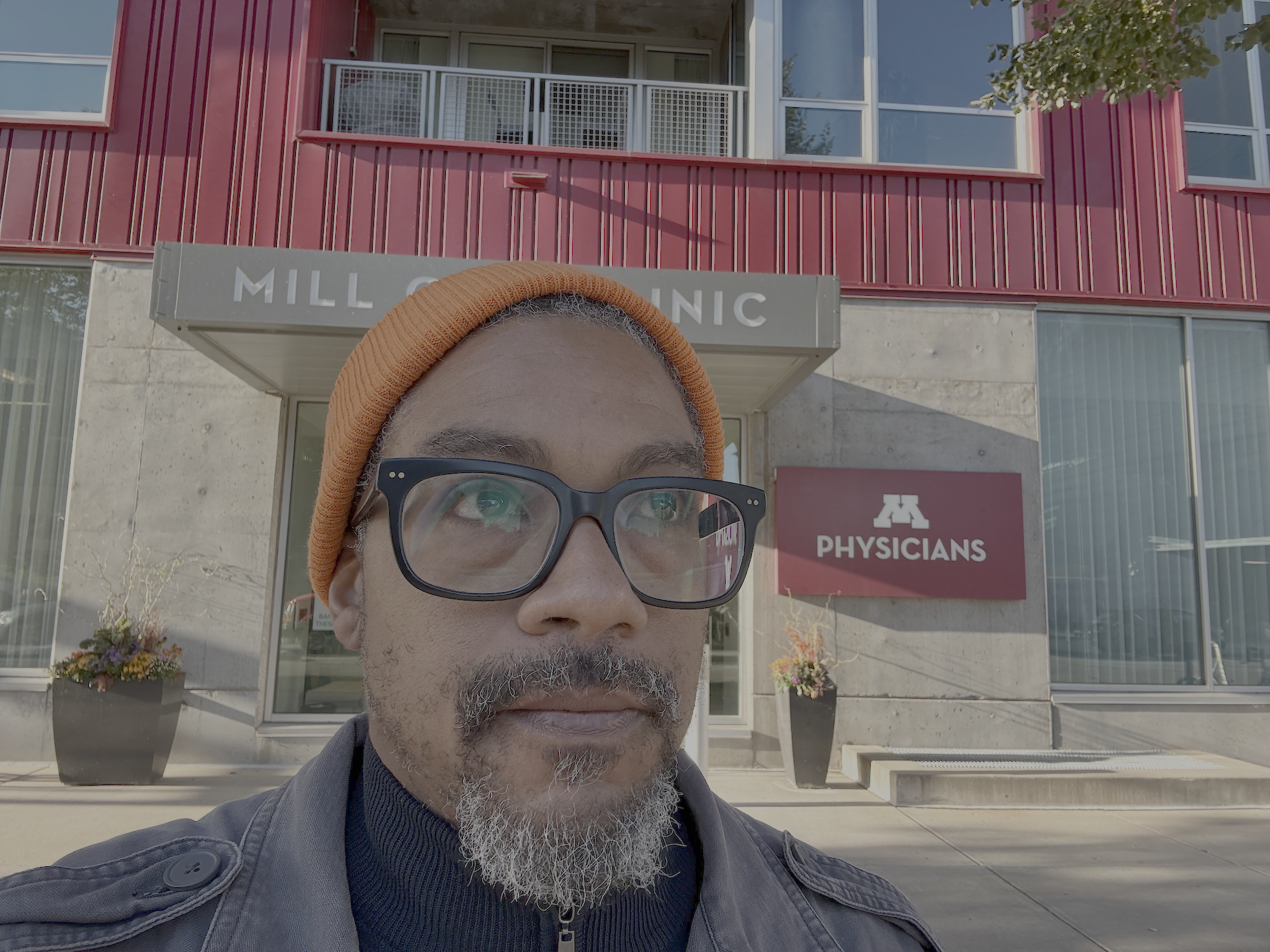
About Gregory
I'm an East Cast native transplanted in the Midwest. I'm namely known as a painter, and have exhibited locally, regionally, nationally, and internationally.
Let’s stay connected: subscribe to my newsletter for insider access and updates!
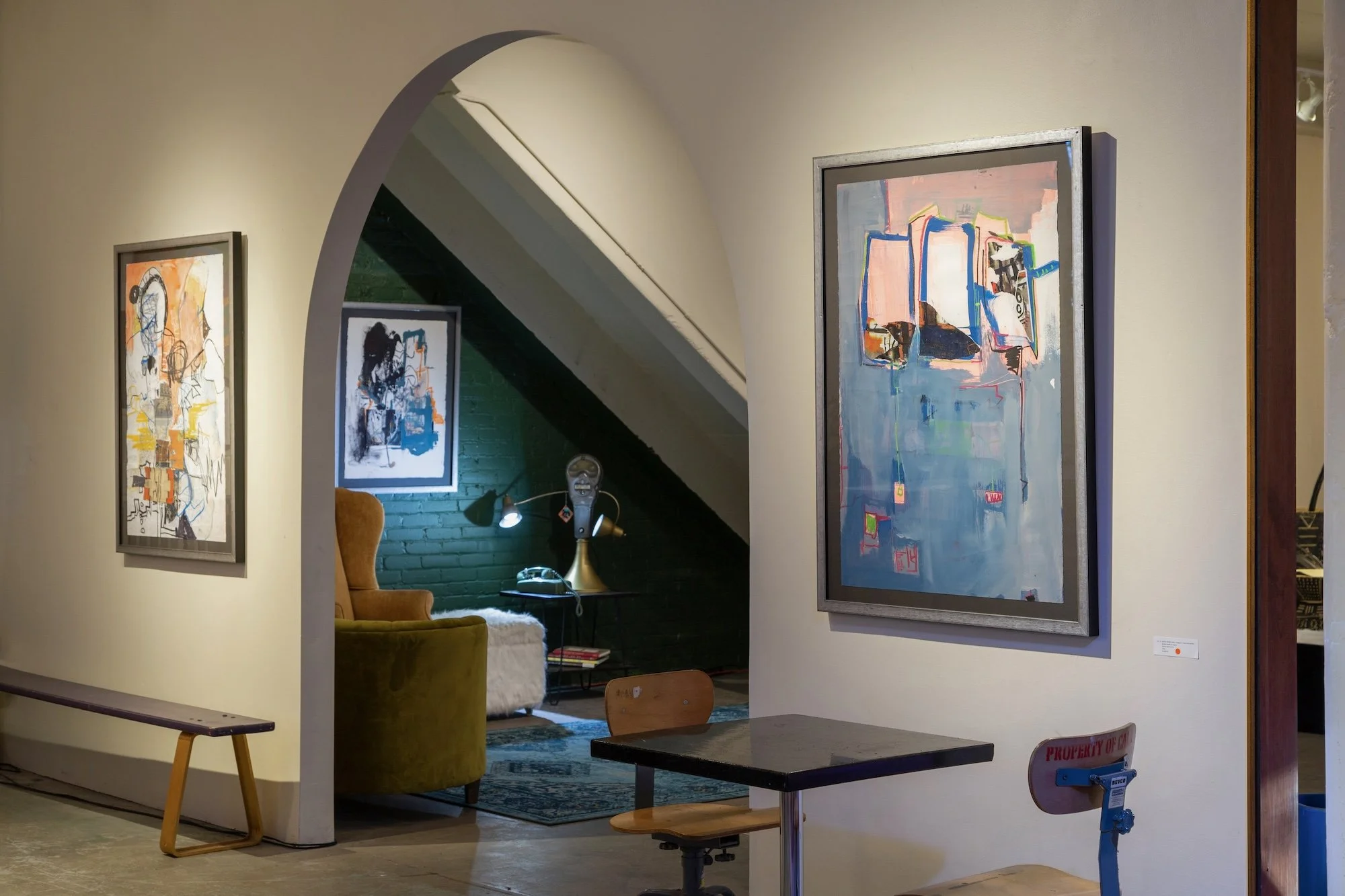

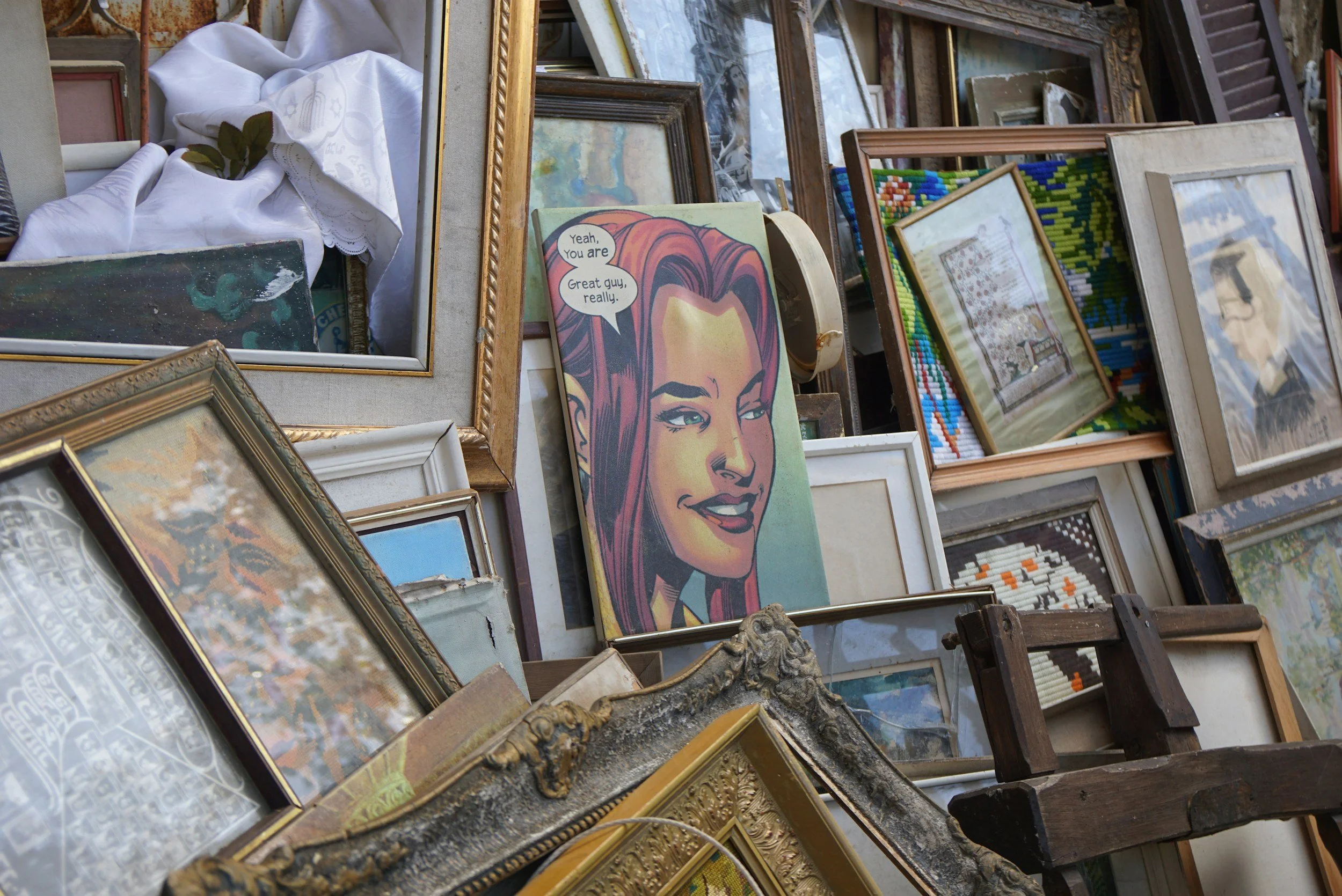

This was a process of taking what could be considered two dimensional artifacts, found and made integrated, weaved, collaged into a narrative that is or alludes to a punk rock dada visual Koan that asks you to questions your place in this world.
Where are you on your journey?