
Why Living Artists Matter for Generational Wealth
Collecting original artwork from living artists gives you access to clarity, transparency, and long-term value in ways the secondary market cannot match. When you collect directly from an artist, you are beginning the provenance of the piece yourself. That clean record supports future appraisal and strengthens your collection for the next generation.
Before we go deeper, here is what this post will cover:
Why work from living artists holds long-term value
How provenance affects art investment
How career stage influences future significance
What collectors gain by buying on the primary market
How these factors contribute to generational wealth
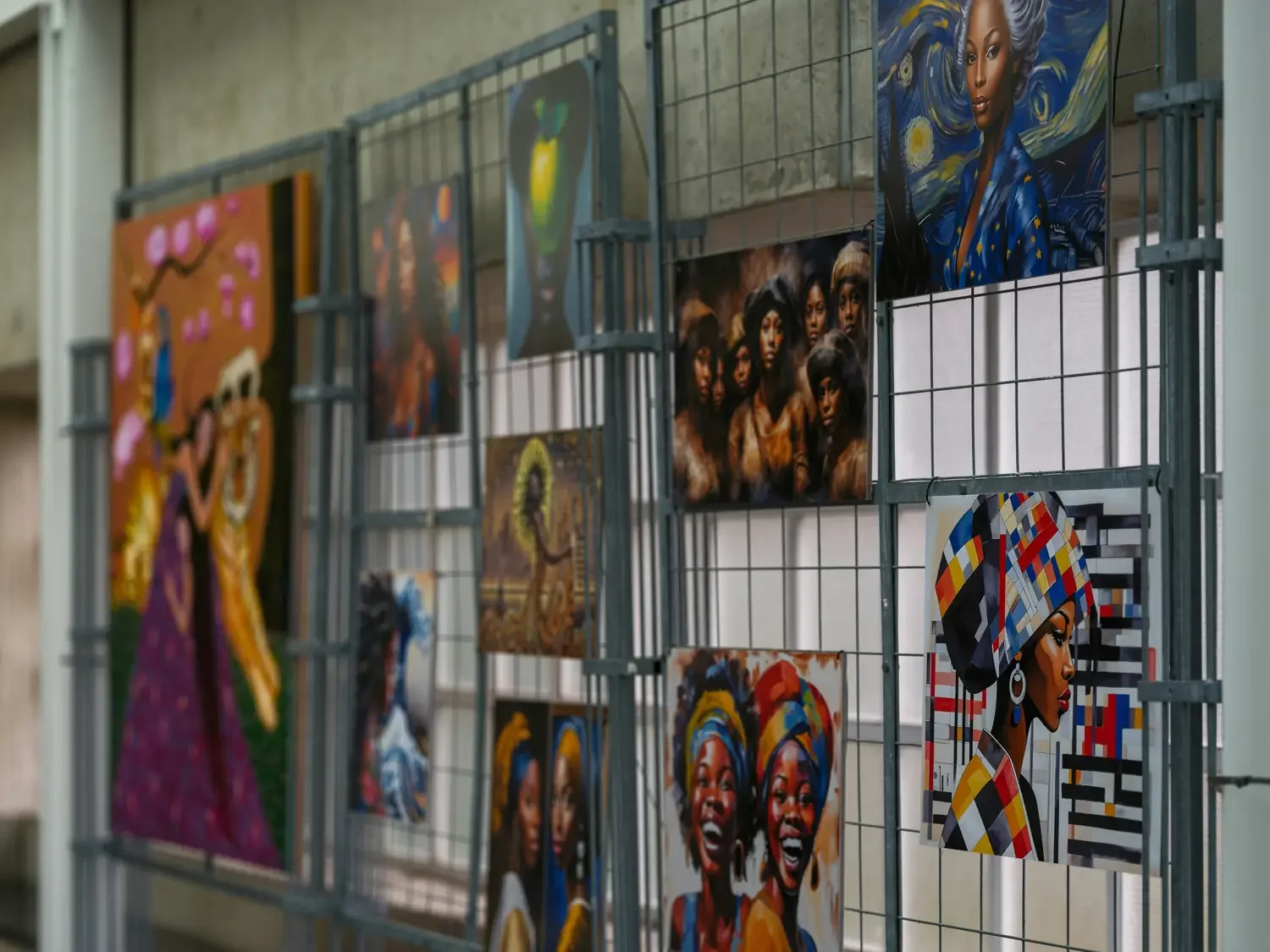
Understanding the Primary Market and Secondary Market
The primary market is where a piece is sold for the first time, directly from the artist or their studio. This is where the provenance begins. You receive clear documentation, direct insight, and full transparency on materials and intent.
The secondary market includes resales and auctions. These depend heavily on accurate documentation that often starts in the primary market.
For collectors, the primary market offers the strongest foundation for long-term value because every detail is recorded from the start.
Why Living Artists Matter for Portfolio Building
Many collectors believe value is created only after a piece enters the auction market. The truth is the opposite. Value begins with clear, well-documented origins — and that only happens when you collect directly from a living artist.
Here are the core reasons:
1. You gain direct provenance from day one
Primary-market provenance is one of the most important factors in long-term art value. When you collect from a living artist, you receive the cleanest possible record:
when the piece was created
what materials were used
how it fits into a larger body of work
who the first recorded owner is
Strong provenance supports insurance, appraisal, and resale. It also gives future collectors confidence in the authenticity of the work.
2. You understand the artist’s intent
With living artists, the story behind the work is clear. You can see the evolution of ideas, the materials chosen, and the purpose behind the piece. This context adds depth and strengthens its place in a collection.
Collectors who understand intent tend to make more informed and confident decisions.
3. You participate in the artist’s growth
Artists evolve. Their work matures. Their visibility increases. When you collect early in that trajectory, your pieces become anchor points as the artist continues to build their career.
Long-term collecting is not about guessing trends. It is about recognizing consistent, documented growth.
4. You build a collection rooted in authenticity
Original artwork carries emotional, cultural, and financial weight. When you collect from a living artist, you know exactly where the work came from, why it was created, and how it fits into a larger practice.
This clarity supports both personal meaning and long-term value.
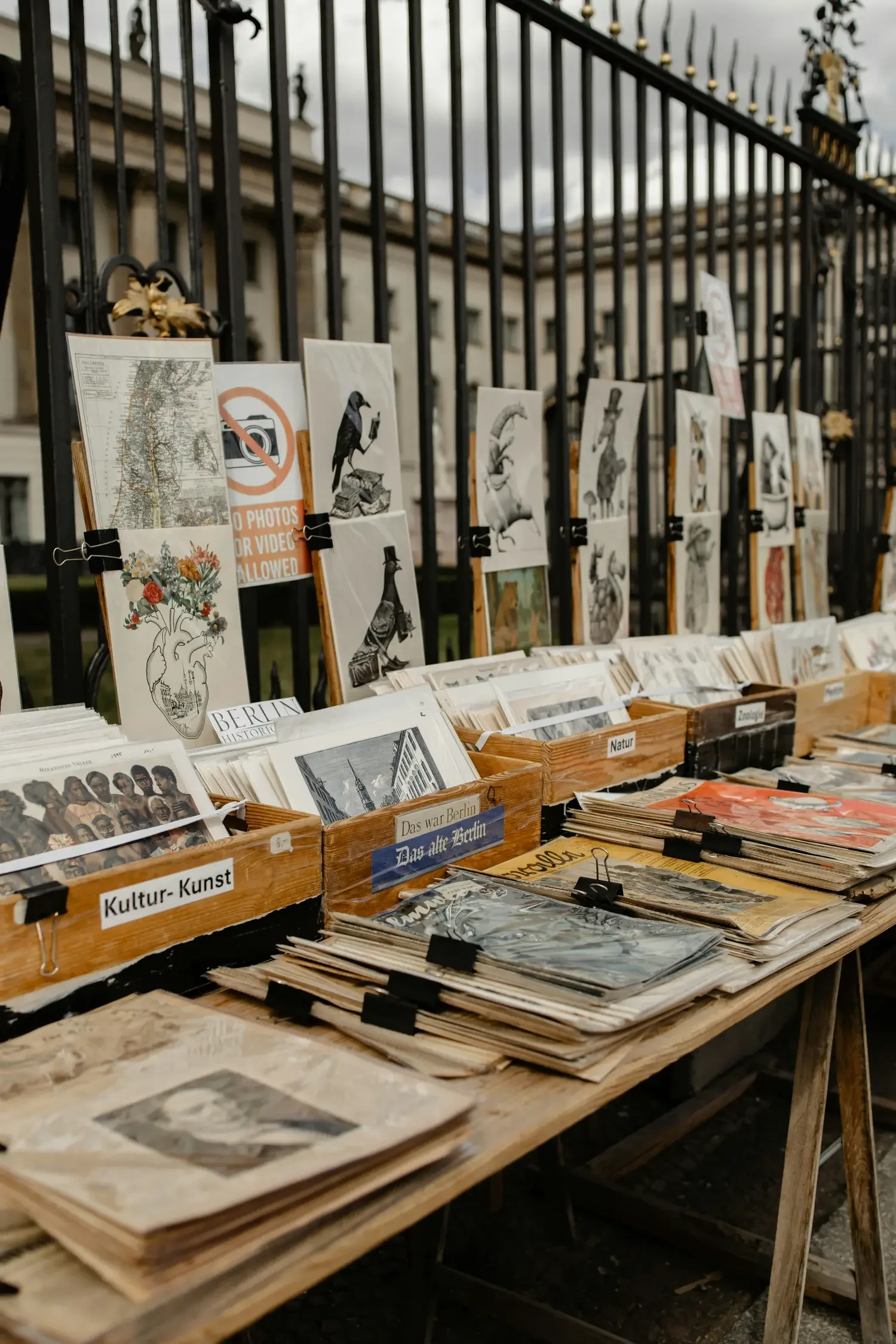
Understanding an Artist’s Career Stage
Career stage is a key factor in art investment:
Emerging artists create foundational work that may become historically significant as they grow.
Mid-career artists offer clarity, consistency, and strong potential for long-term stability.
Established artists anchor collections with recognized bodies of work.
Knowing where a piece falls within this timeline helps you plan and strengthen your portfolio.
The Role of Documentation and Edition Control
Every original piece should come with accurate information:
details on materials
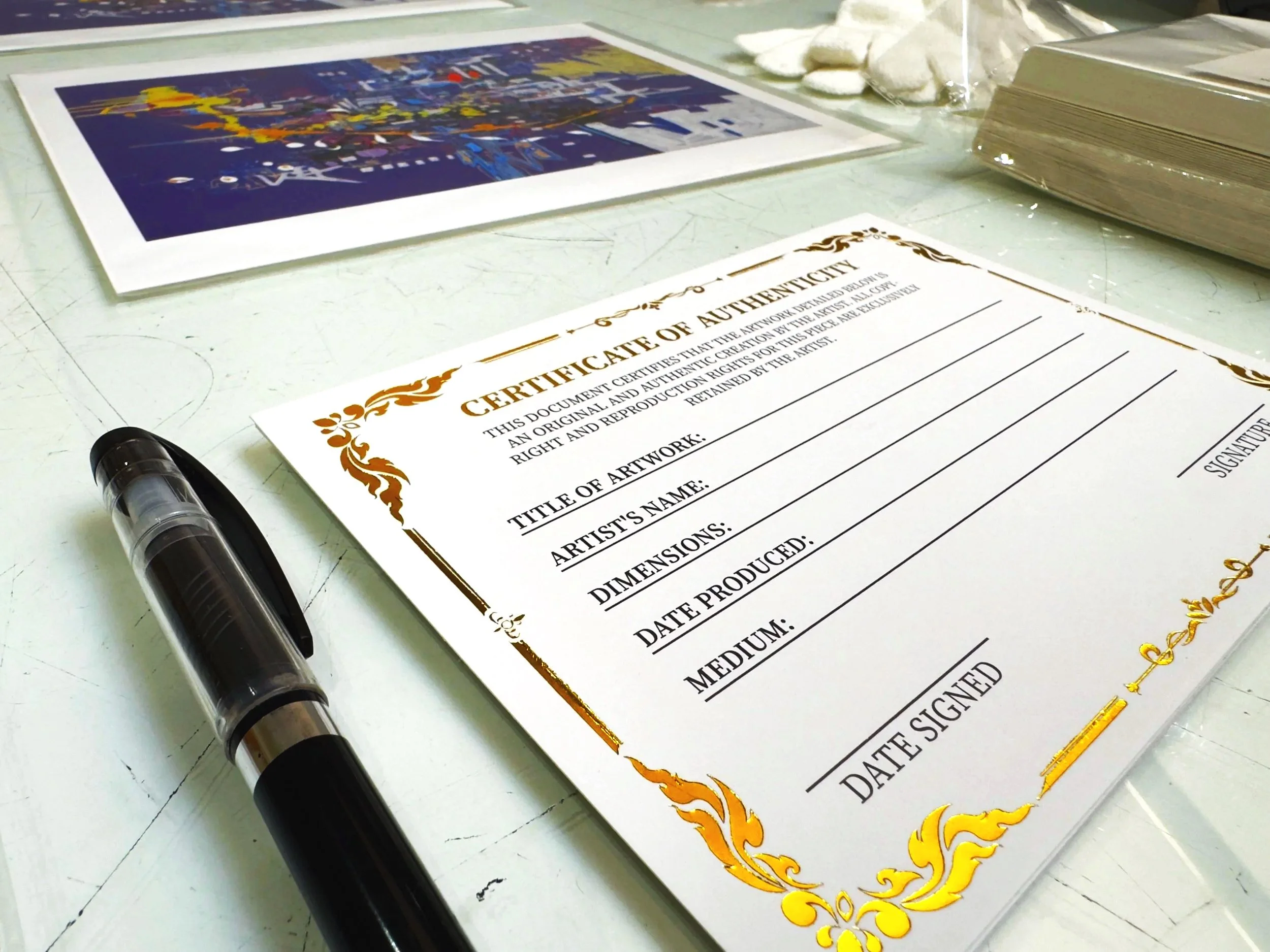
certificates of authenticity
edition numbers (when applicable)
documentation of the series or body of work
This information becomes part of the piece’s identity. It strengthens its value as it moves through different hands, homes, and future appraisals.
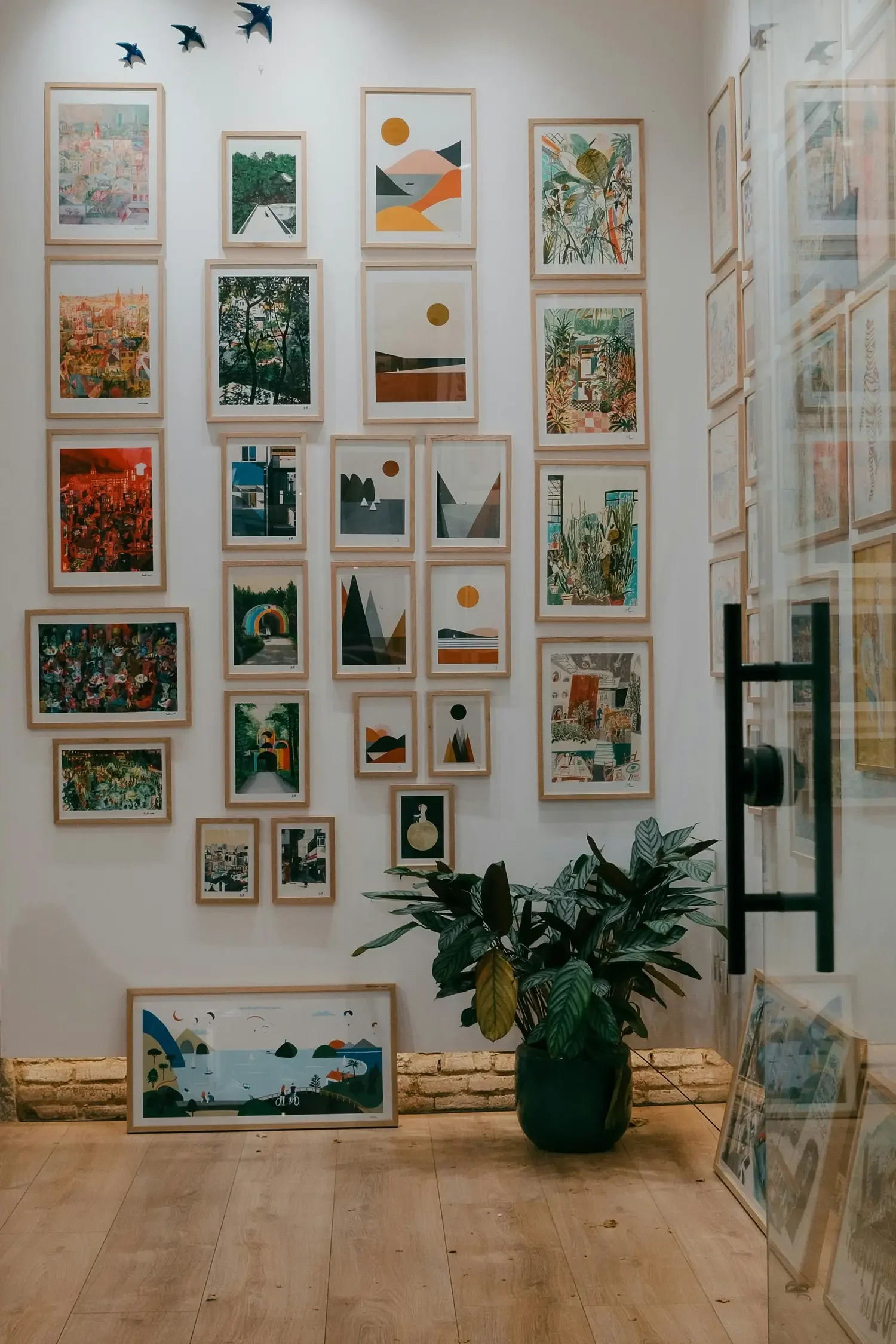
Why This Matters for Generational Wealth
Art is a long-term asset. When collected with intention, it becomes part of a family’s legacy.
Collecting from living artists gives you:
clear provenance
direct insight
early access to foundational work
a stronger record for future valuation
These elements support long-term stability and create assets that can be passed down through generations. A well-built collection tells a story — not only about the artist, but about the collector and the legacy they want to leave.
If you want your collection to grow in both meaning and value, start with artists who are shaping their practice today. These are the pieces that will move with you through life and remain significant long after they leave your hands.
👉🏾 See my available works here. Every piece is one-of-one, and once it’s collected, it’s gone.
👉🏾 Or, if you’re an artist looking to grow in this city, book a consultation with me. I’ll help you navigate the scene and build your own legacy.
Respect,
G
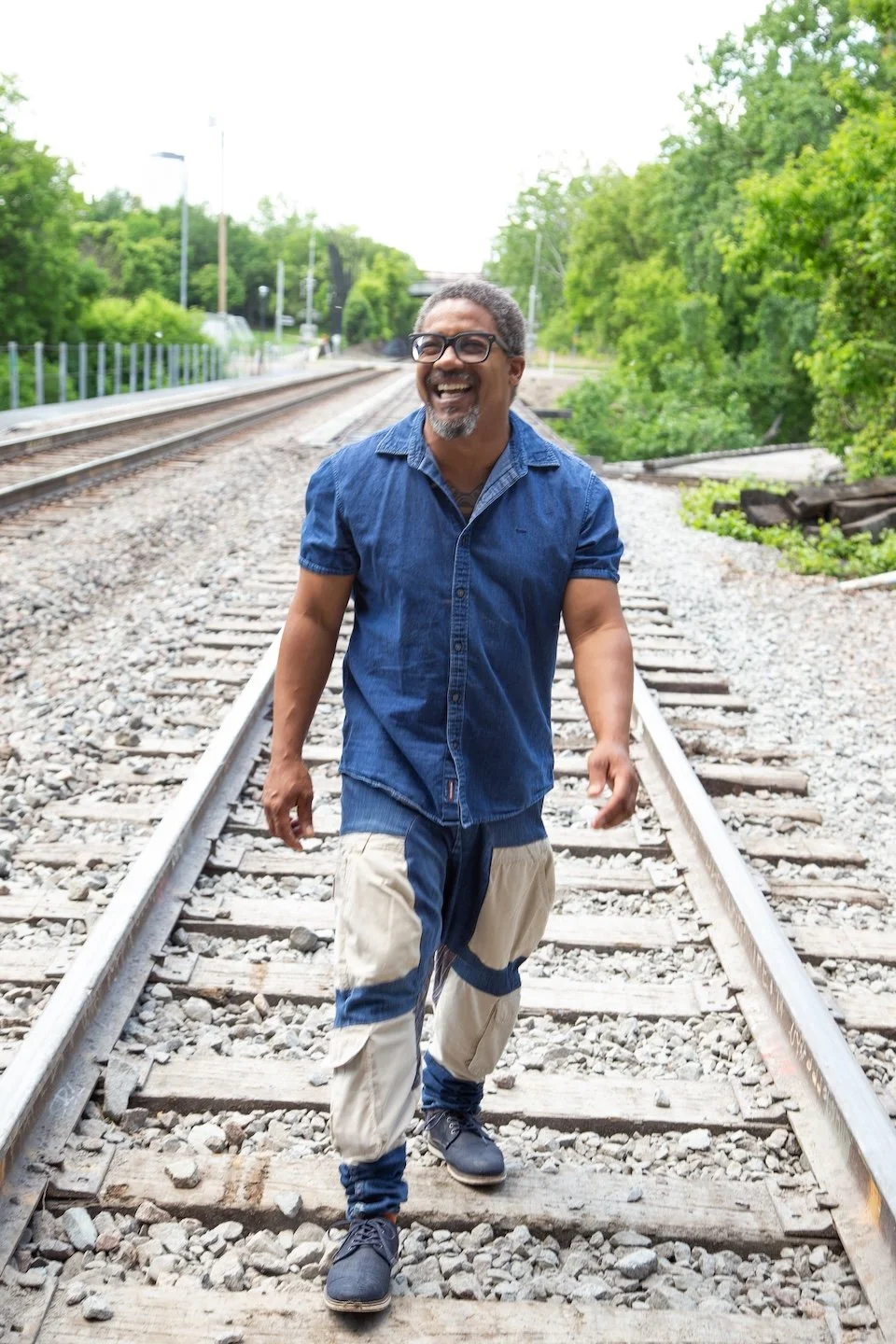
About Gregory
I'm an East Cast native transplanted in the Midwest. I'm namely known as a painter, and have exhibited locally, regionally, nationally, and internationally.
Let’s stay connected: subscribe to my newsletter for insider access and updates!
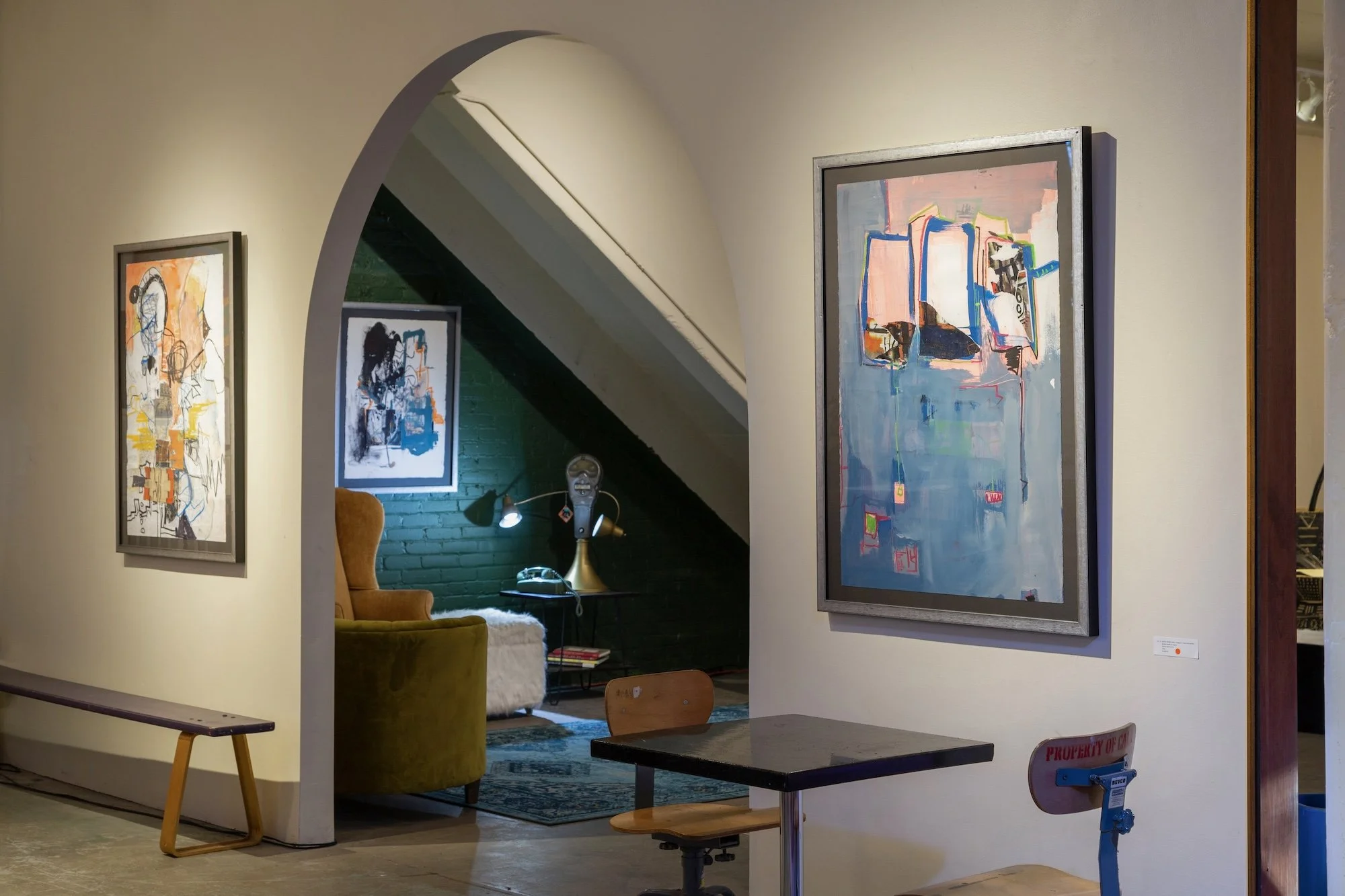

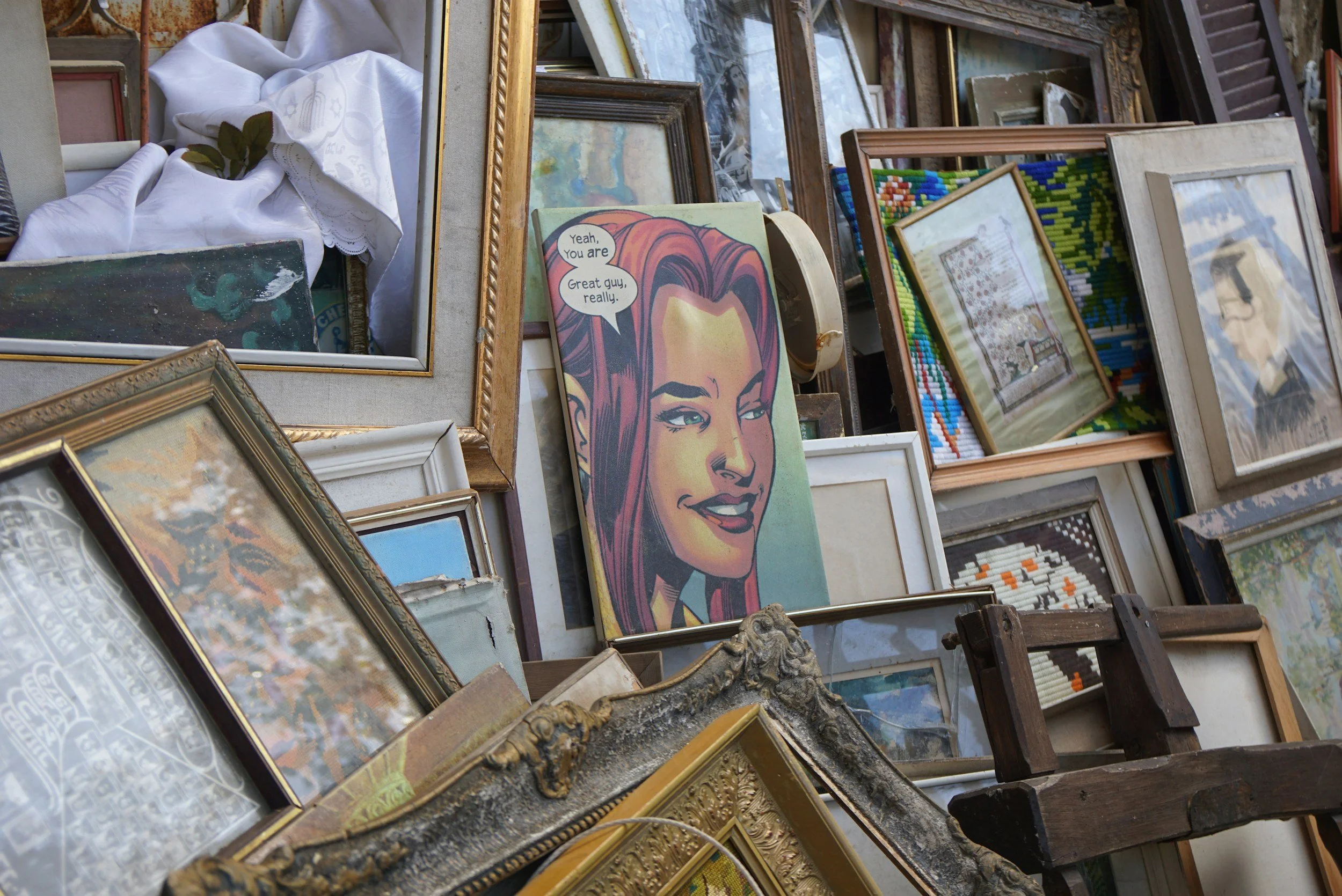

This was a process of taking what could be considered two dimensional artifacts, found and made integrated, weaved, collaged into a narrative that is or alludes to a punk rock dada visual Koan that asks you to questions your place in this world.
Where are you on your journey?