
Art as an Asset Class: A Beginner’s Guide
Collecting original artwork from living artists is one of the most direct ways to build a meaningful collection that increases in cultural and financial value over time. These pieces come with clear provenance, documented intention, and a traceable career trajectory. That structure is what helps collectors build long-term stability and contribute to generational wealth.
Before we go deeper, here is what this post will cover:
Why work from living artists holds long-term value
How provenance and documentation influence art investment
What collectors should understand about career stages
How primary-market purchases benefit future appraisals
How to build a collection with long-term and generational impact

Understanding the Primary Market and Secondary Market
Collectors often hear these terms but may not understand their impact on future value.
The primary market refers to artwork purchased directly from the artist or their studio. This is where provenance begins. You are the first recorded owner of the piece, and the documentation starts with you.
The secondary market includes auctions, resales, and galleries that handle work after it has left the hands of the original owner. This market relies heavily on clear documentation to assess authenticity and value.
When you collect from living artists, you are participating in the primary market, which offers clarity, direct insight, and the strongest foundation for long-term value.
Why Living Artists Matter for Portfolio Building
Many new collectors assume the strongest opportunities only exist at auction. But purchasing on the primary market offers advantages that are often overlooked.
Here are the key reasons why work from living artists matters for collectors who want both meaning and long-term value:
1. You gain direct provenance from day one
When you acquire work directly from a living artist, you receive primary-market provenance. This is the cleanest form of ownership history, recorded from the beginning of the piece’s life.
Expanded SEO Content:
Provenance affects everything from insurance to future appraisal. A clear record of who created the piece, when it was created, how it was made, and who purchased it strengthens the work’s future valuation. It eliminates guesswork and gives any future owner confidence in its authenticity.
Strong provenance is one of the most important factors in determining long-term art value.
2. You understand the artist’s intent
Work created by active artists comes with accurate context. You have access to notes, process documentation, and conversations that explain what the piece represents.
These insights help collectors make informed decisions and add depth to the work as it moves through different stages of the collection.
3. You participate in the artist’s growth
As an artist continues to produce, their work evolves. Early collectors benefit from that evolution because strong, consistent output increases the relevance of earlier pieces. This is how an art collection gains stability and meaning across decades.
Collectors who purchase early in an artist’s career often have pieces that become anchor works as the artist gains recognition.
4. You build a collection rooted in authenticity
Original artwork carries cultural, emotional, and financial significance that cannot be replicated. Collecting from a living artist gives you a piece with a traceable story, documented materials, and a clear place within the artist’s larger body of work.
Authenticity is a key factor in a collection’s long-term and generational impact.
Understanding an Artist’s Career Stage
Career stage is one of the most important factors in art investment, and it directly affects long-term value.
Emerging Artist
Early in their career, developing their voice. Collectors have the opportunity to acquire foundational works that may become historically significant.
Mid-Career Artist
Consistent output, clear themes, and growing visibility. These artists have established direction and demonstrate long-term commitment to their practice.
Established Artist
Significant exhibition history, recognized bodies of work, and sustained relevance. Pieces at this stage often anchor major collections.
Understanding where an artist is in their career helps collectors make informed decisions about when to acquire a piece and how it may contribute to portfolio-building over time.
Why This Matters for Generational Wealth
A collection built with intention is more than a set of objects. It becomes a record of your values, your vision, and the future you want to pass down.
Original artwork from living artists offers:
Clarity of provenance
Strong documentation
Direct insight into the artistic process
A traceable place within a developing career
These factors create long-term stability and make it possible for a collection to hold value for future generations.
Art is a long-term asset. When you choose work with clear history and strong context, you are building something that can grow with you and remain meaningful long after it leaves your hands.

About Gregory
I'm an East Cast native transplanted in the Midwest. I'm namely known as a painter, and have exhibited locally, regionally, nationally, and internationally.
Let’s stay connected: subscribe to my newsletter for insider access and updates!
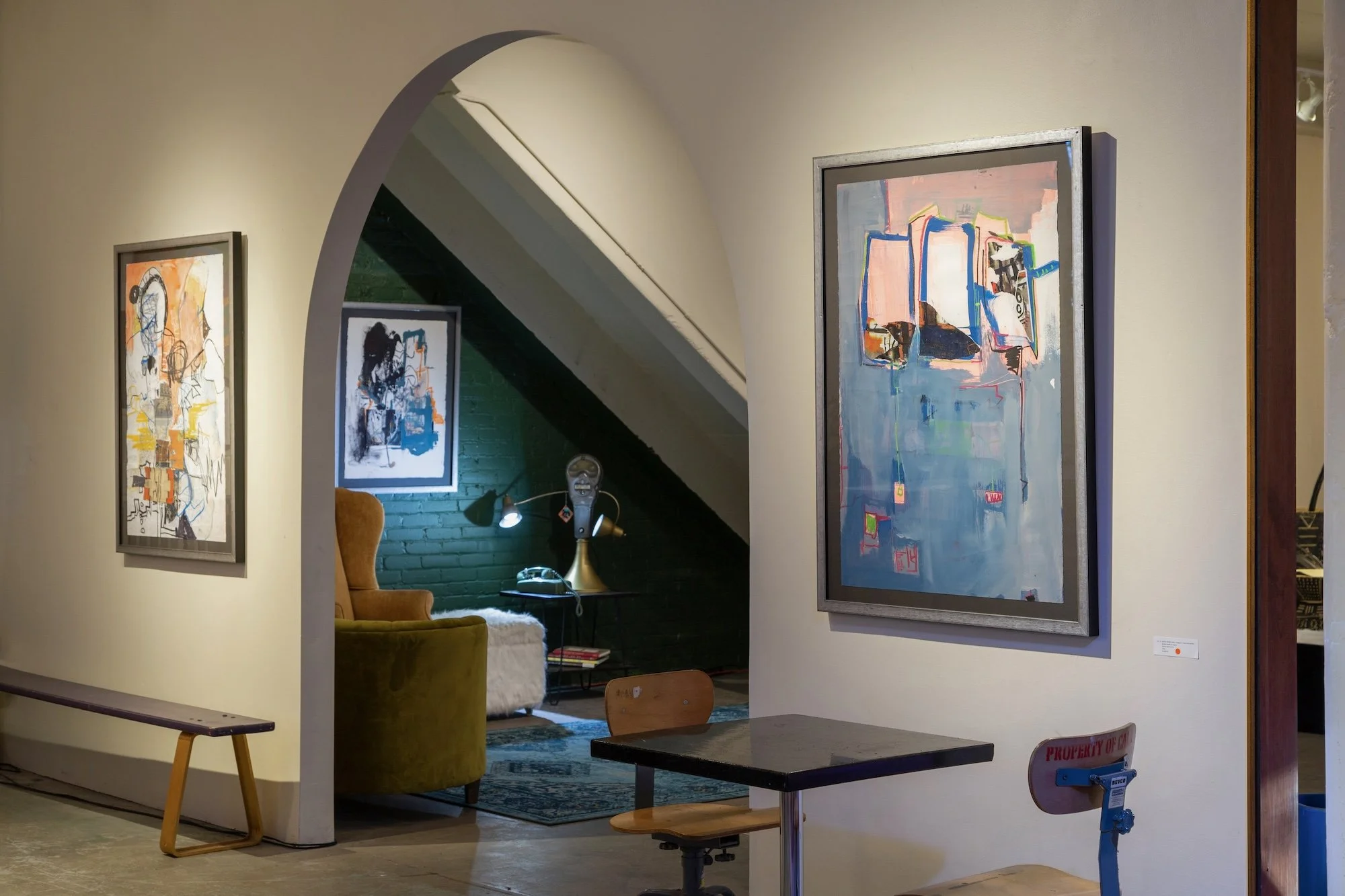

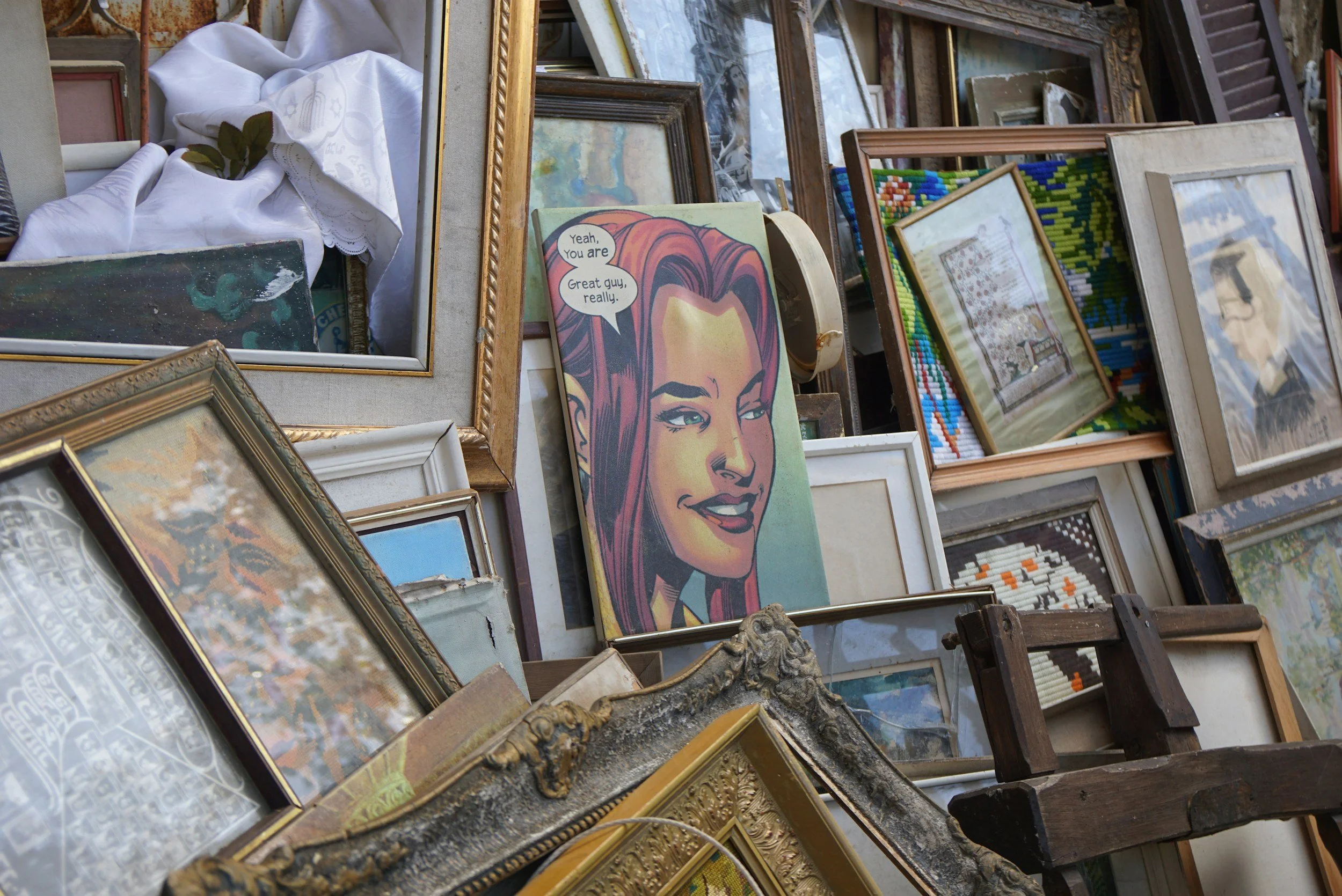


This was a process of taking what could be considered two dimensional artifacts, found and made integrated, weaved, collaged into a narrative that is or alludes to a punk rock dada visual Koan that asks you to questions your place in this world.
Where are you on your journey?